UK Screenshots for Pre BR Blue. High resolution warning.

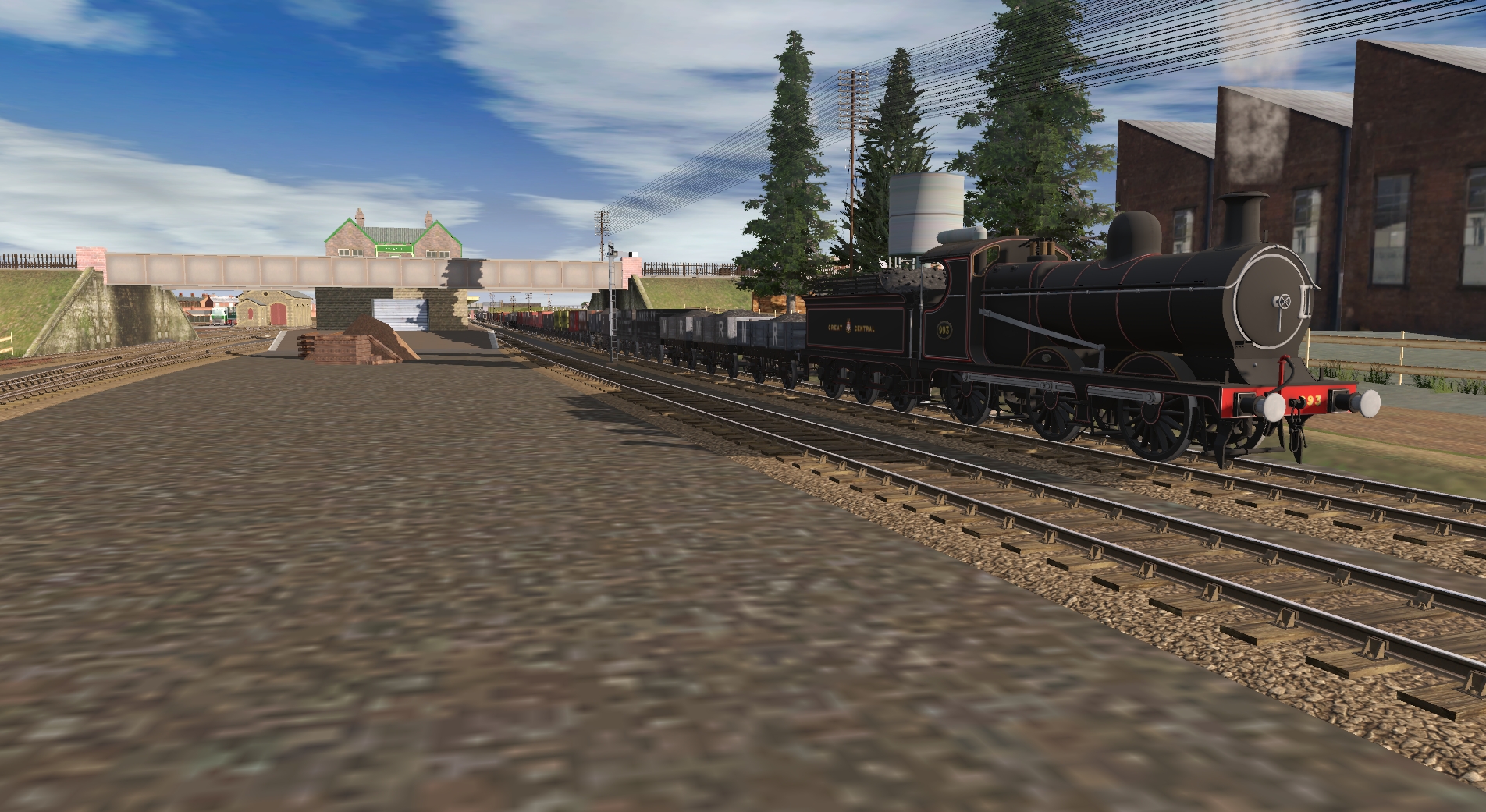
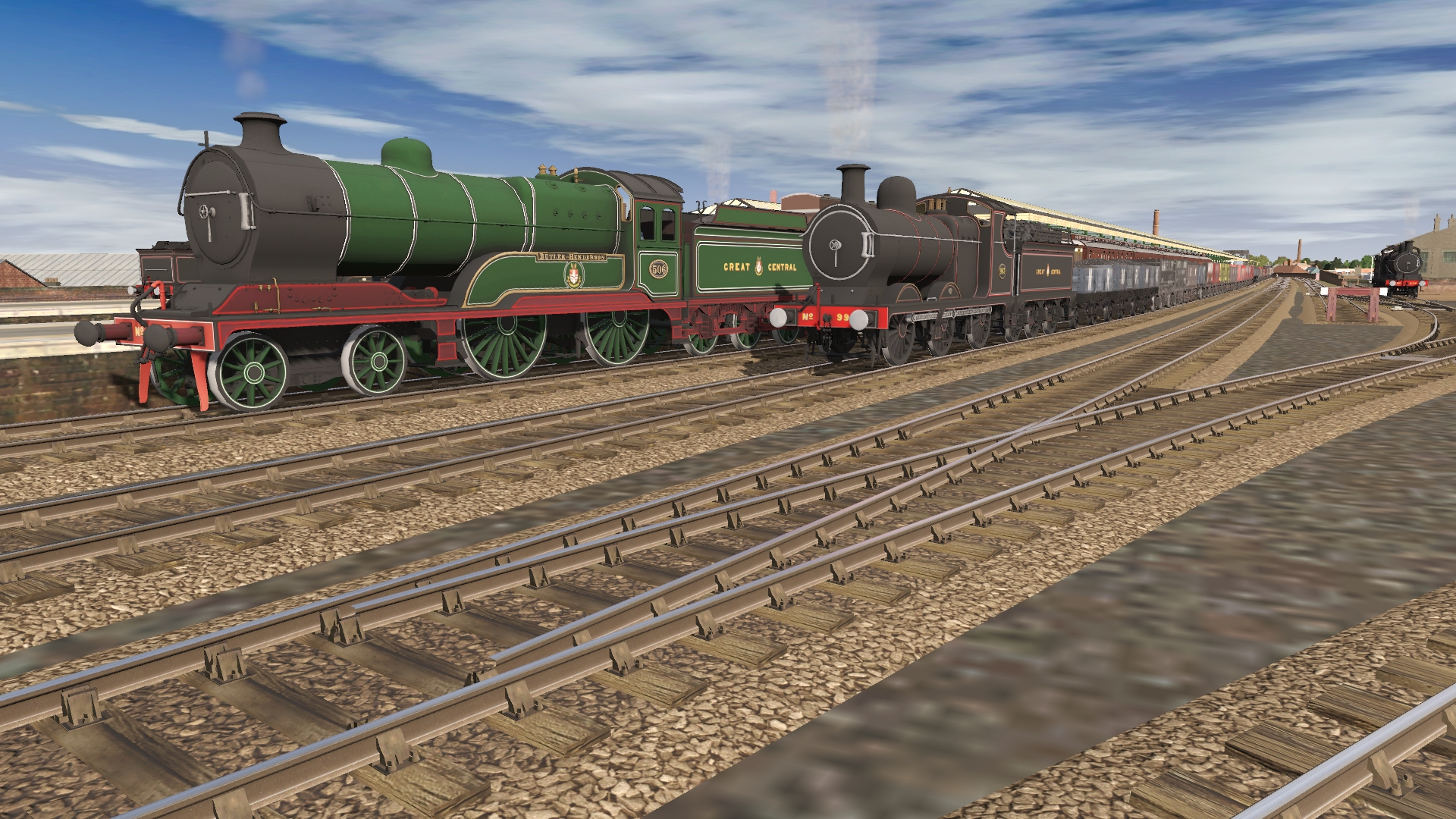
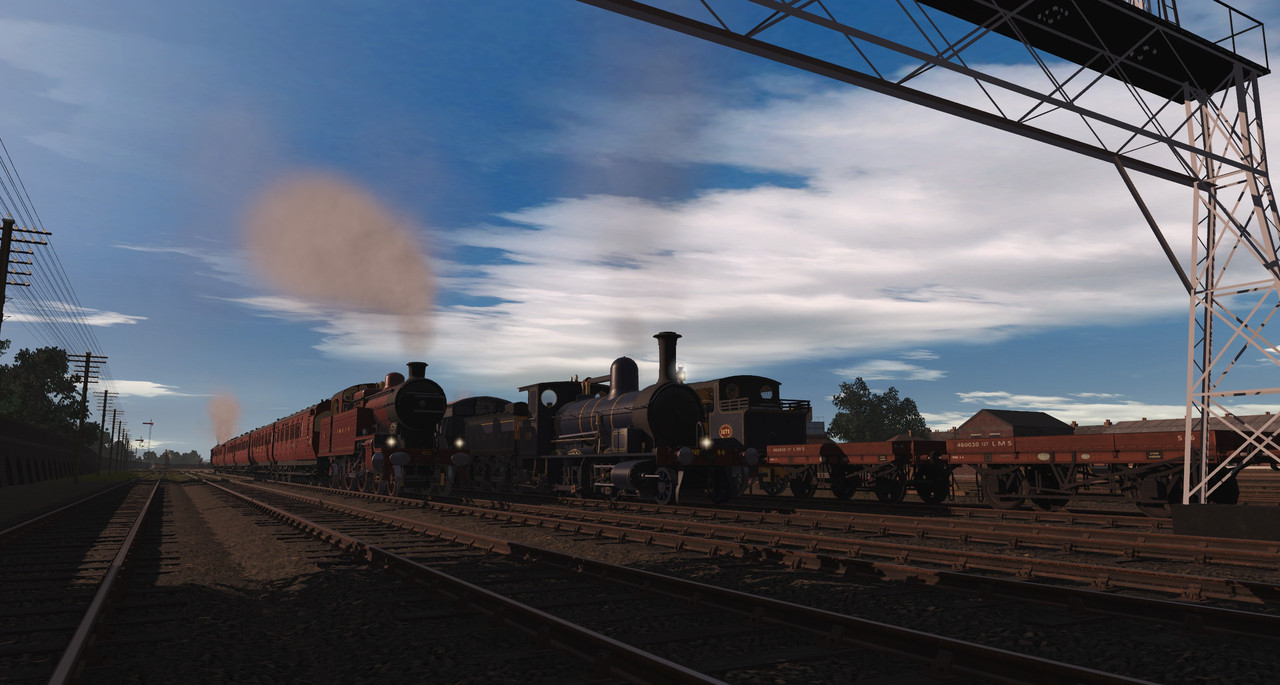
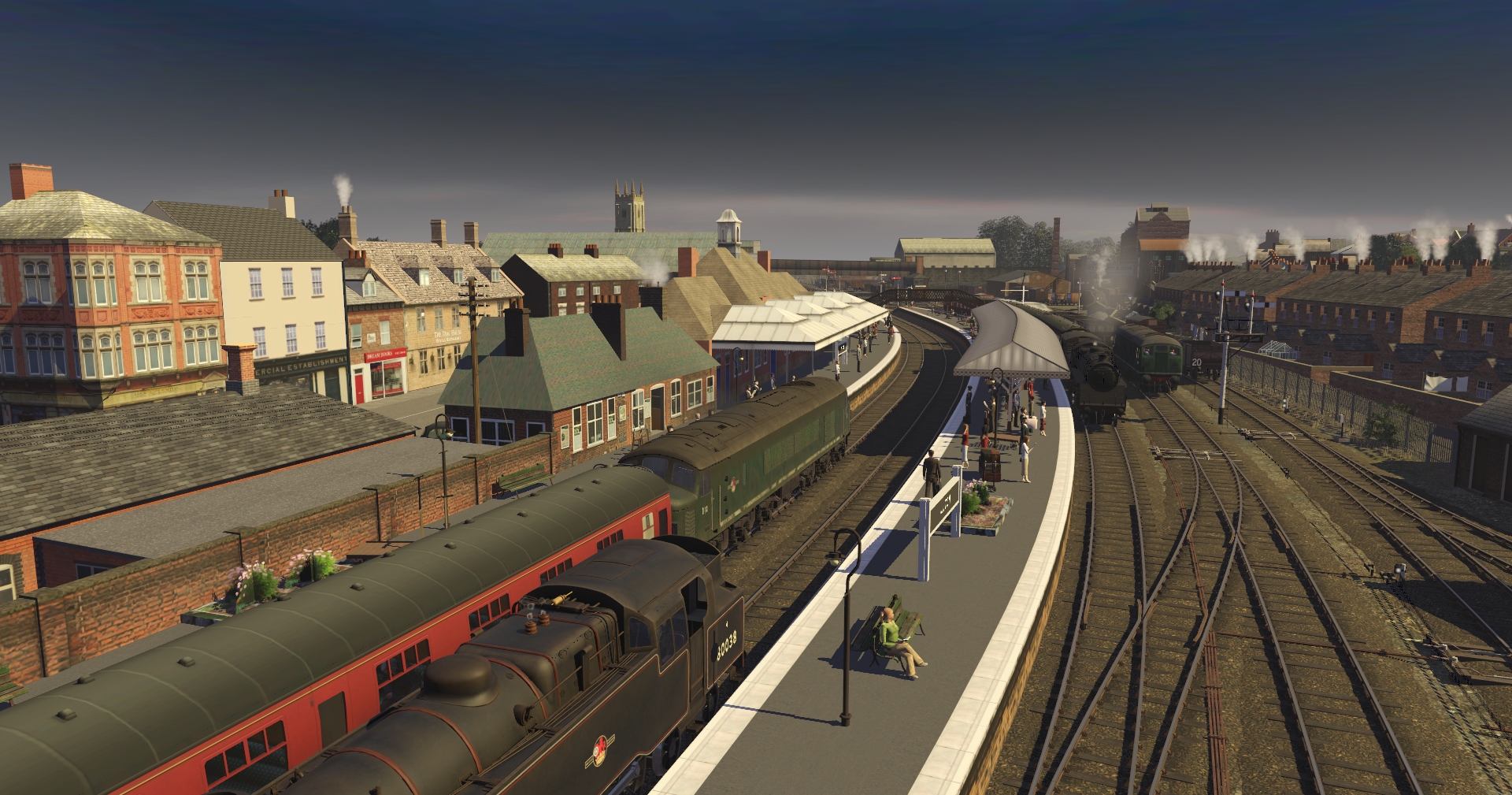
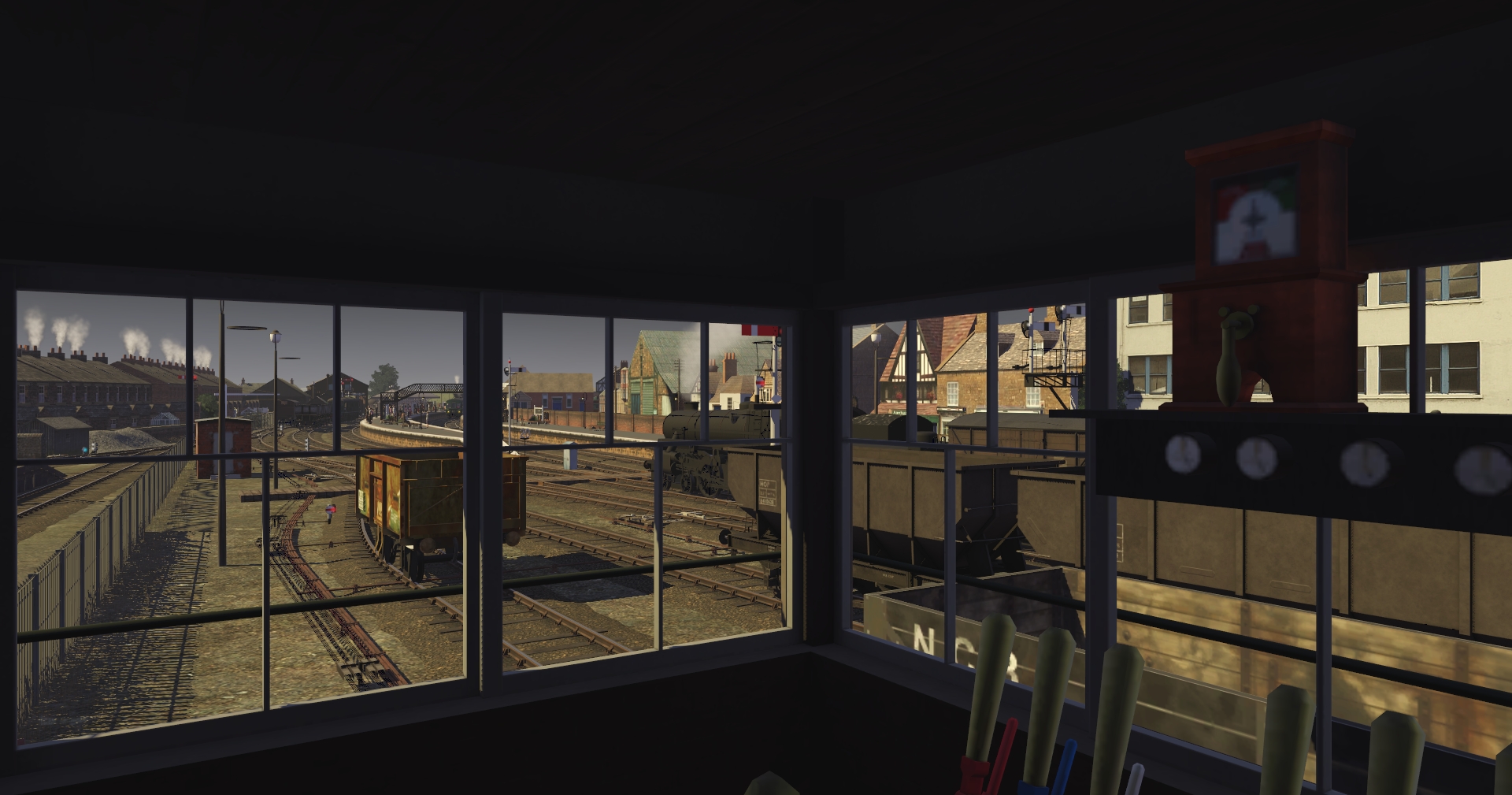
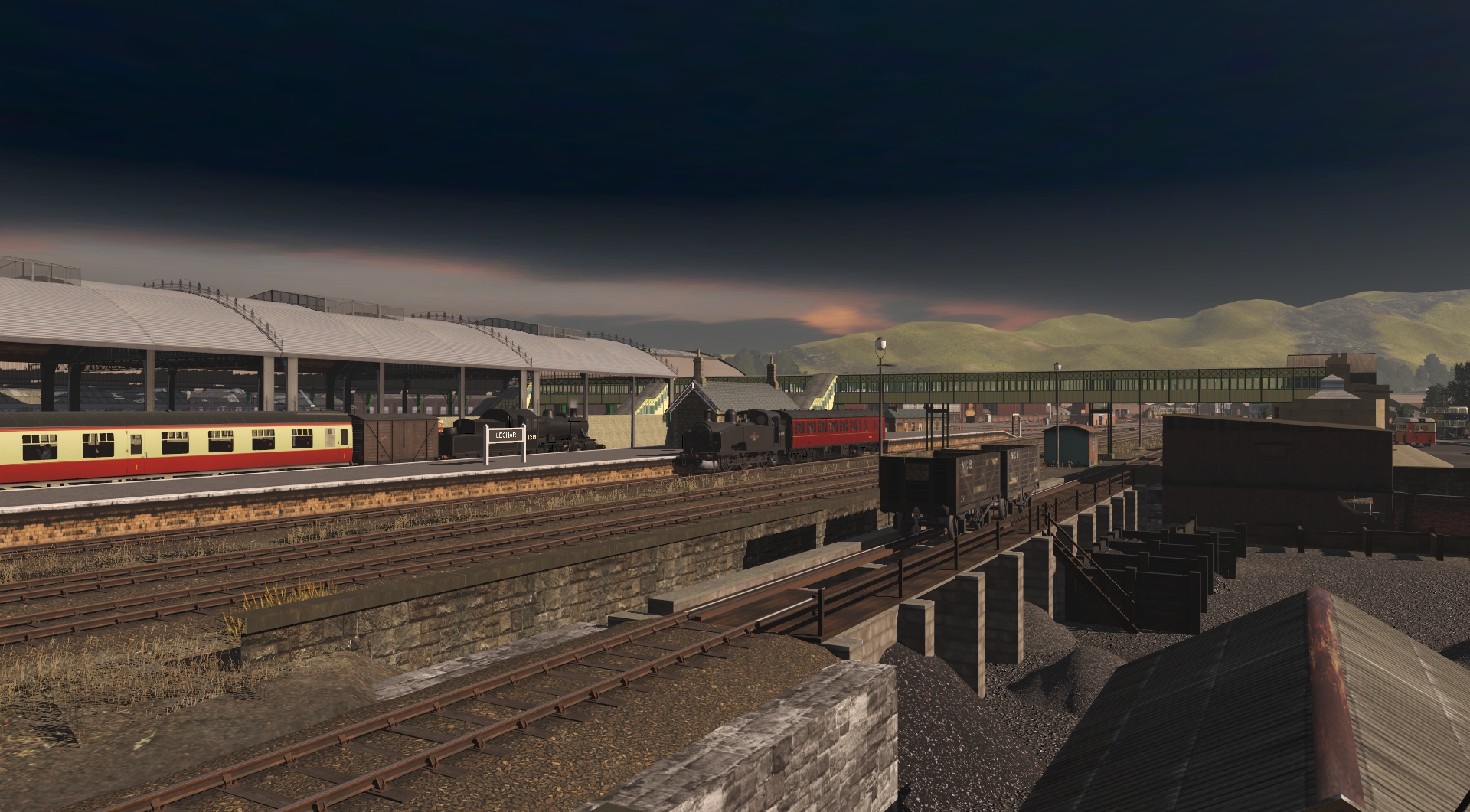
Leicester Central and the GCR 9J "pom-pom" 0-6-0 is in the Up loop awaiting engine change before the train will move on to Woodford.
A Robinson 11F "Improved director" 4-4-0 stands in the Up platform, also awaiting an engine change.


According to "The Great Central From the Footplate" (1987) by Robert Robotham & Frank Stratford the express passenger trains could expect the change to be done in four minutes. Frank Stratford, a driver on the former GCR London extension who came up from cleaner at Leicester shed had a snippet to share. When the BR MR took over the shed they discovered that under-18s at Leicester shed were working nightshifts, which was illegal. There had been a waiver granted during WWII but when hostilities ceased and the waiver lapsed the LNER shed at Leicester just ignored it!
 
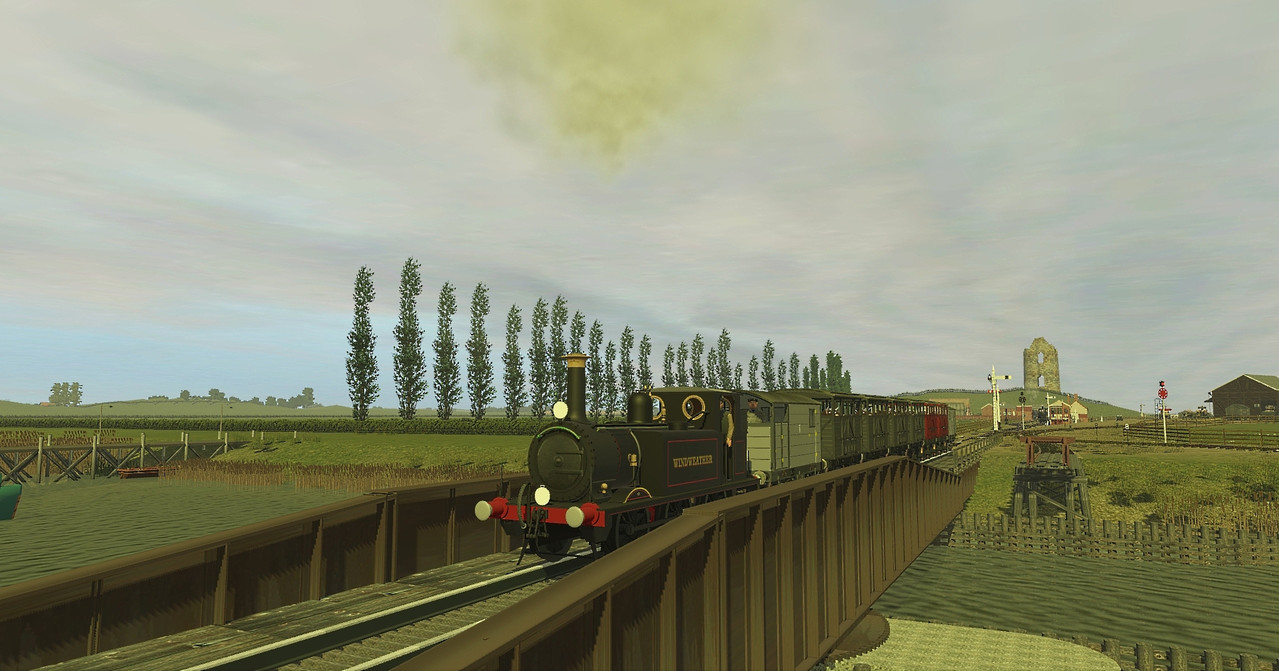
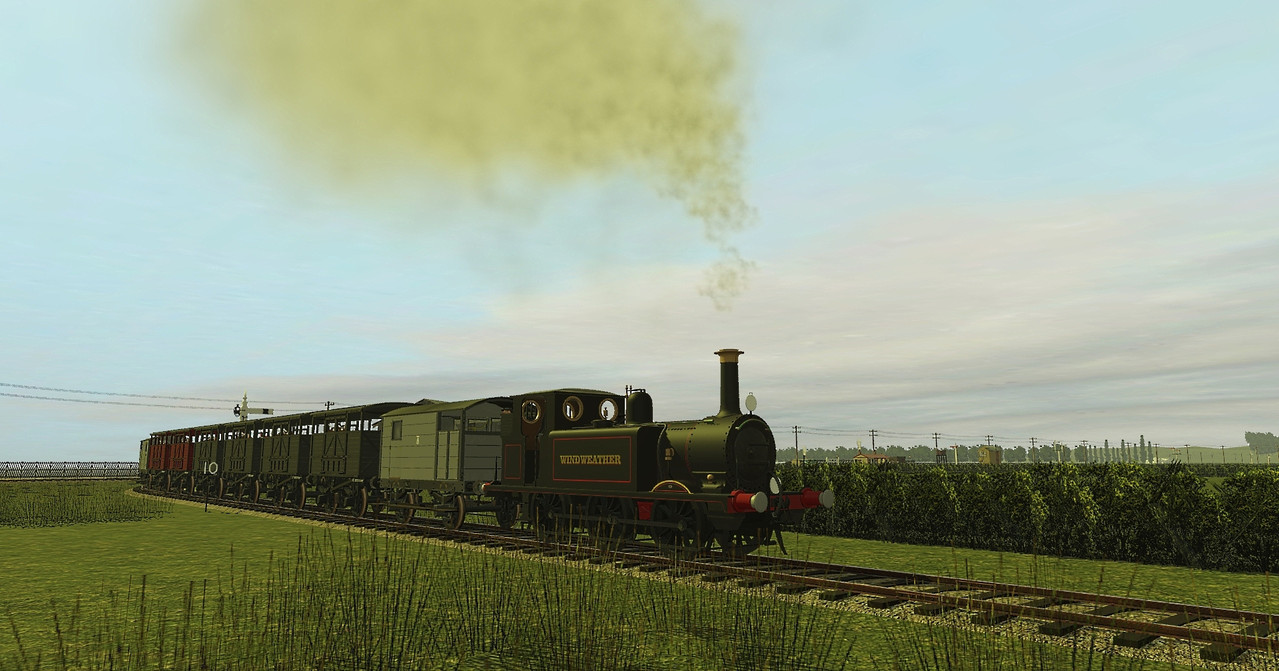
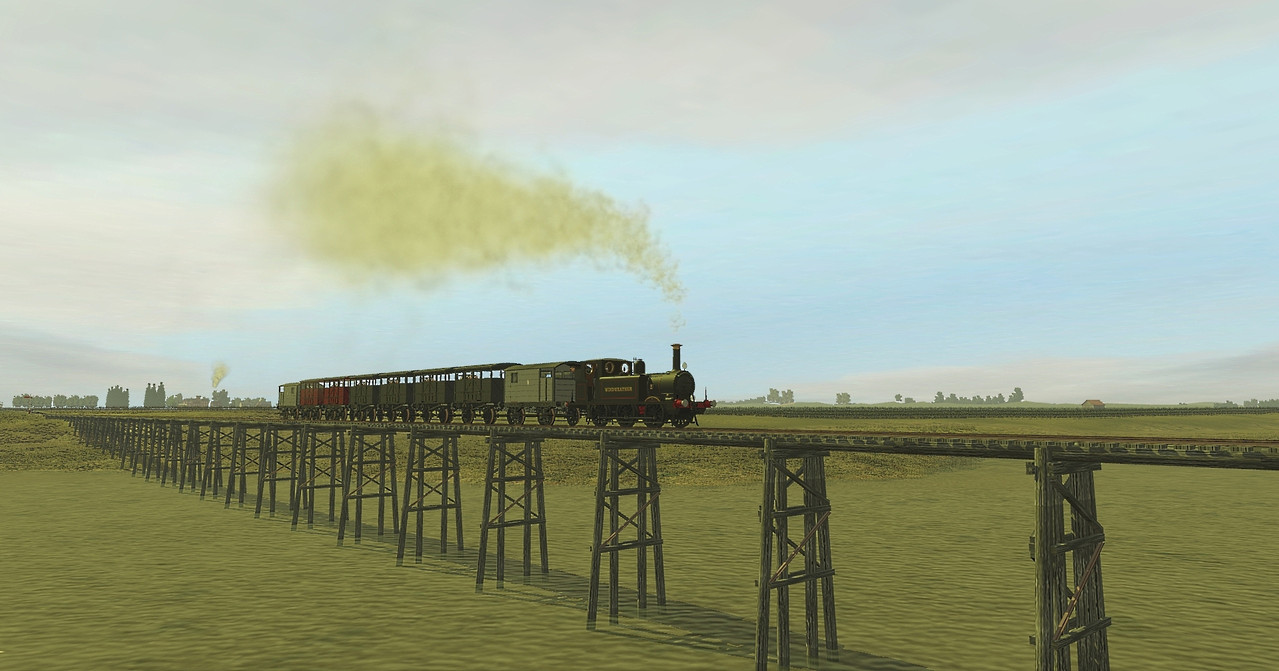
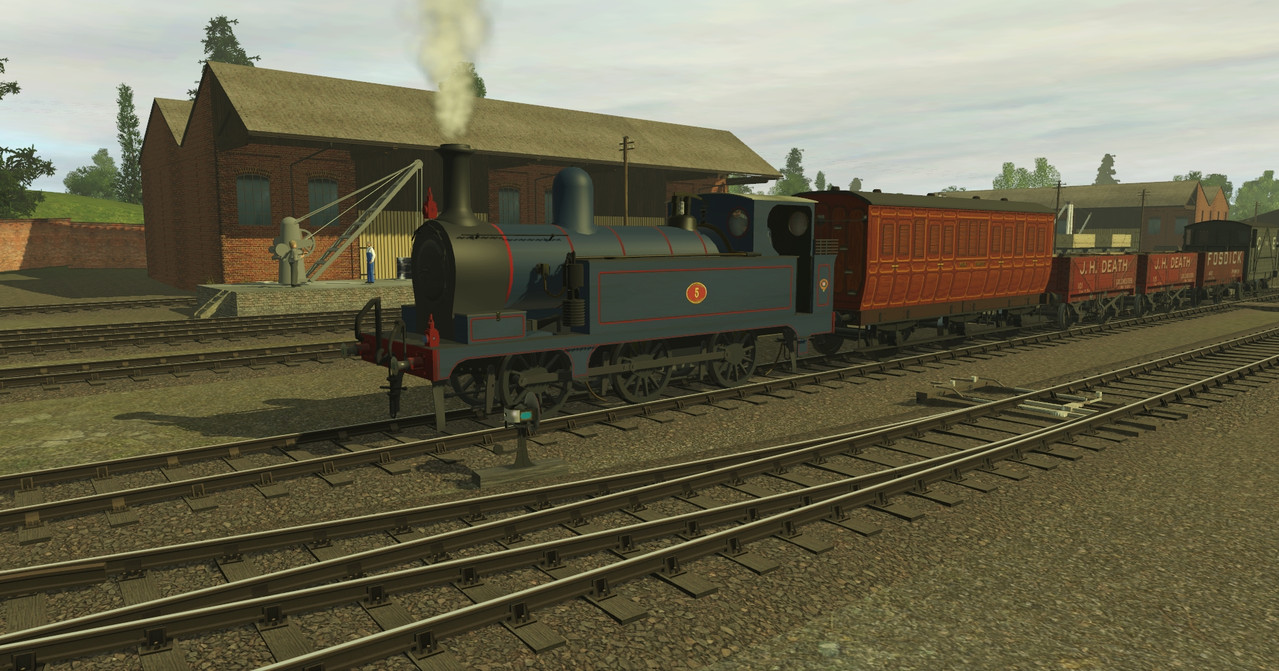
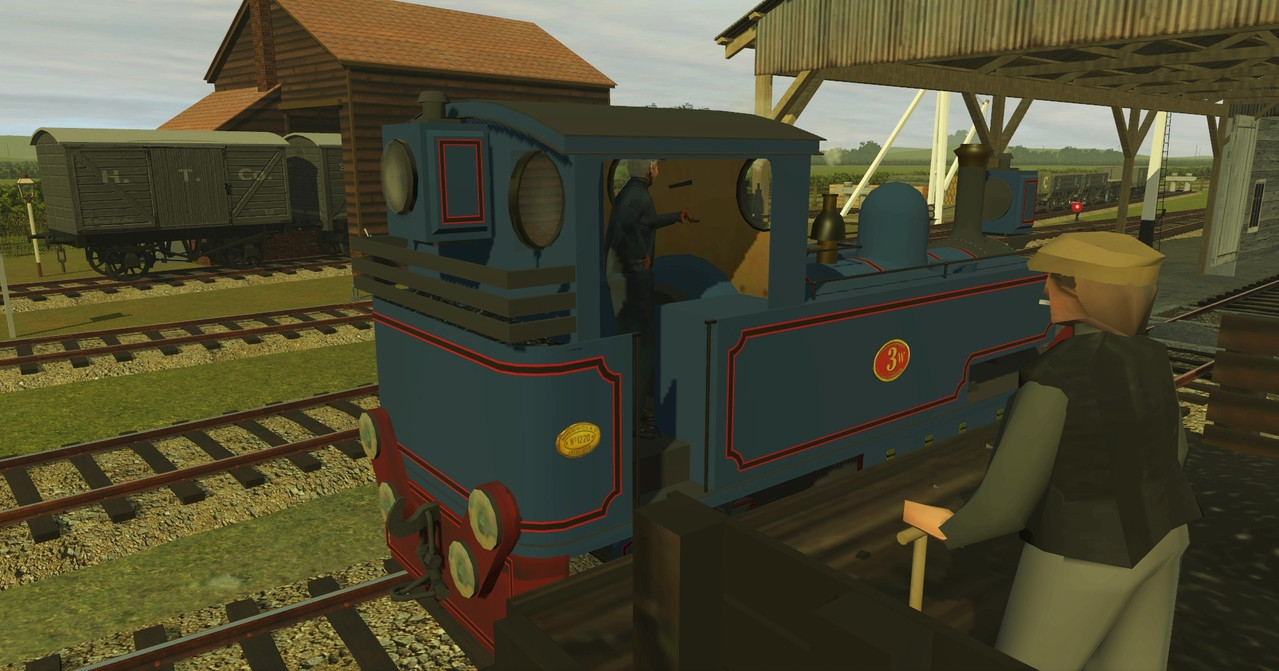
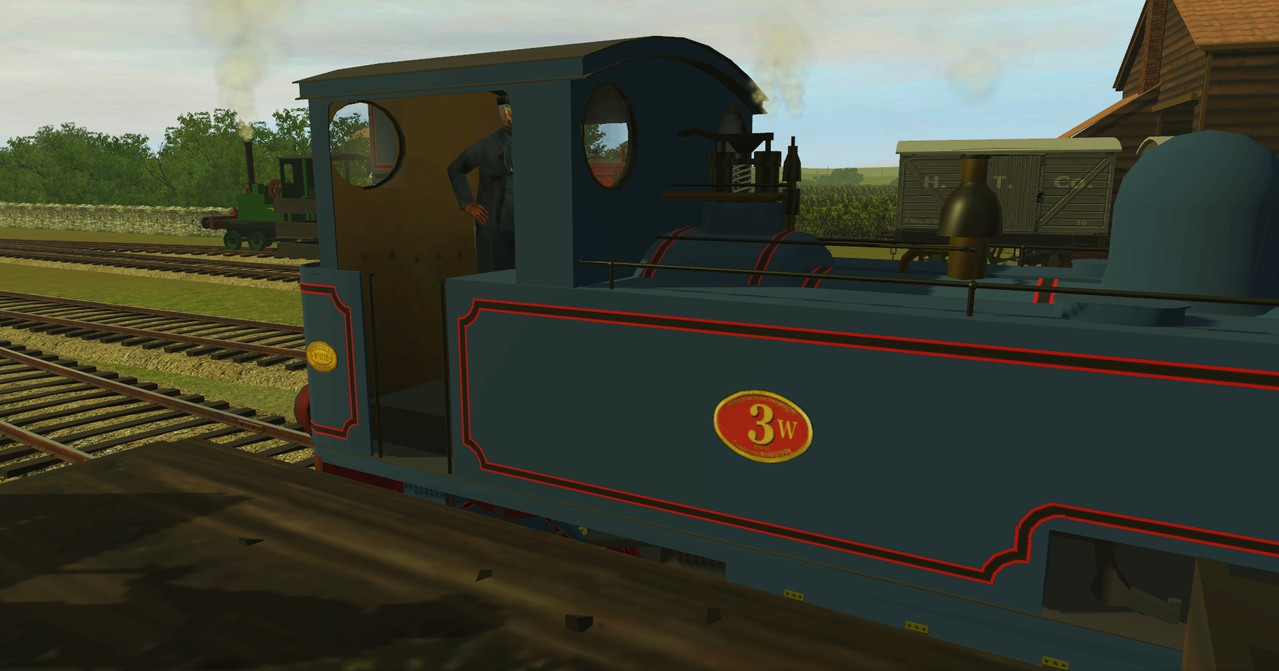
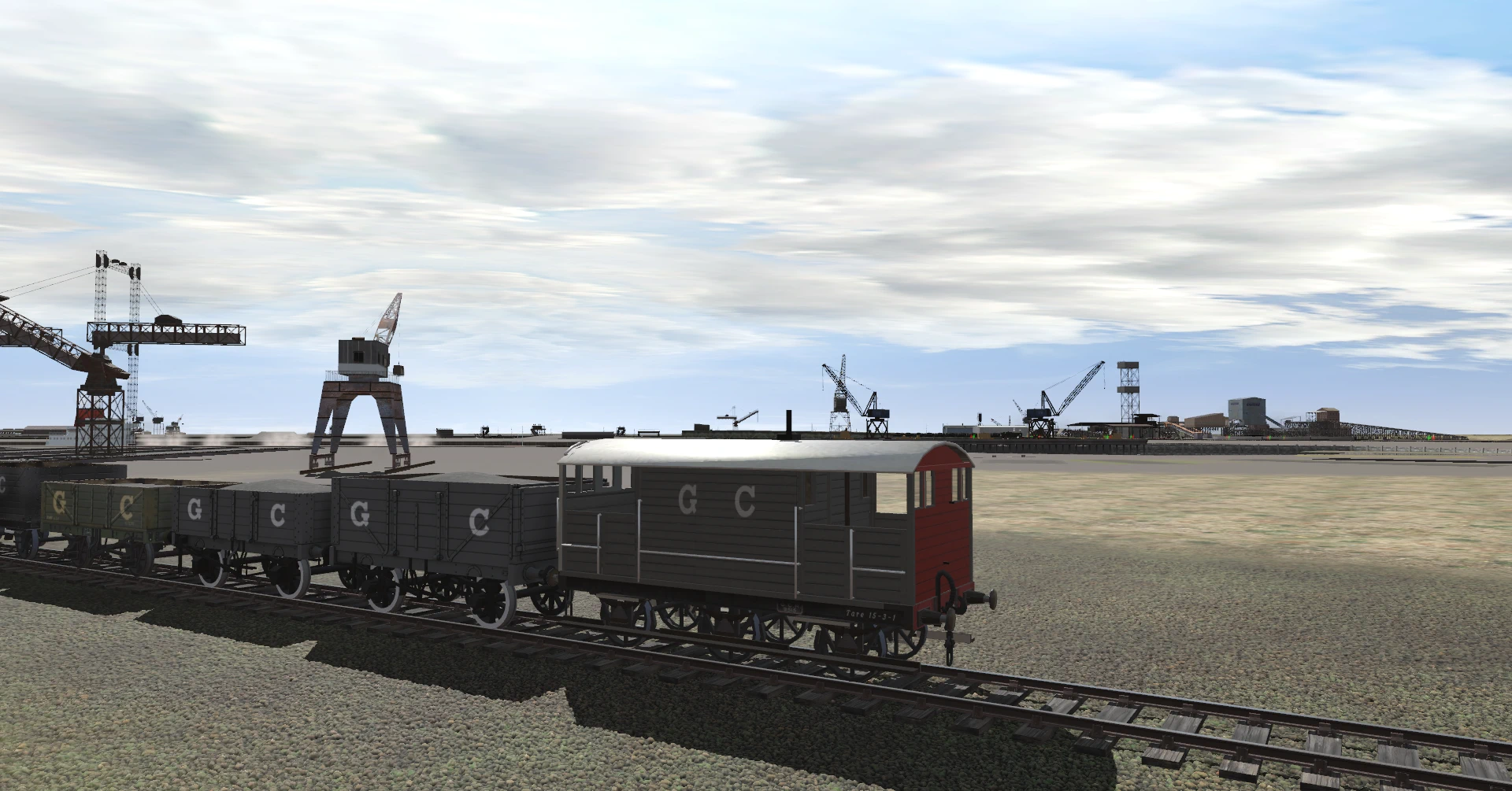
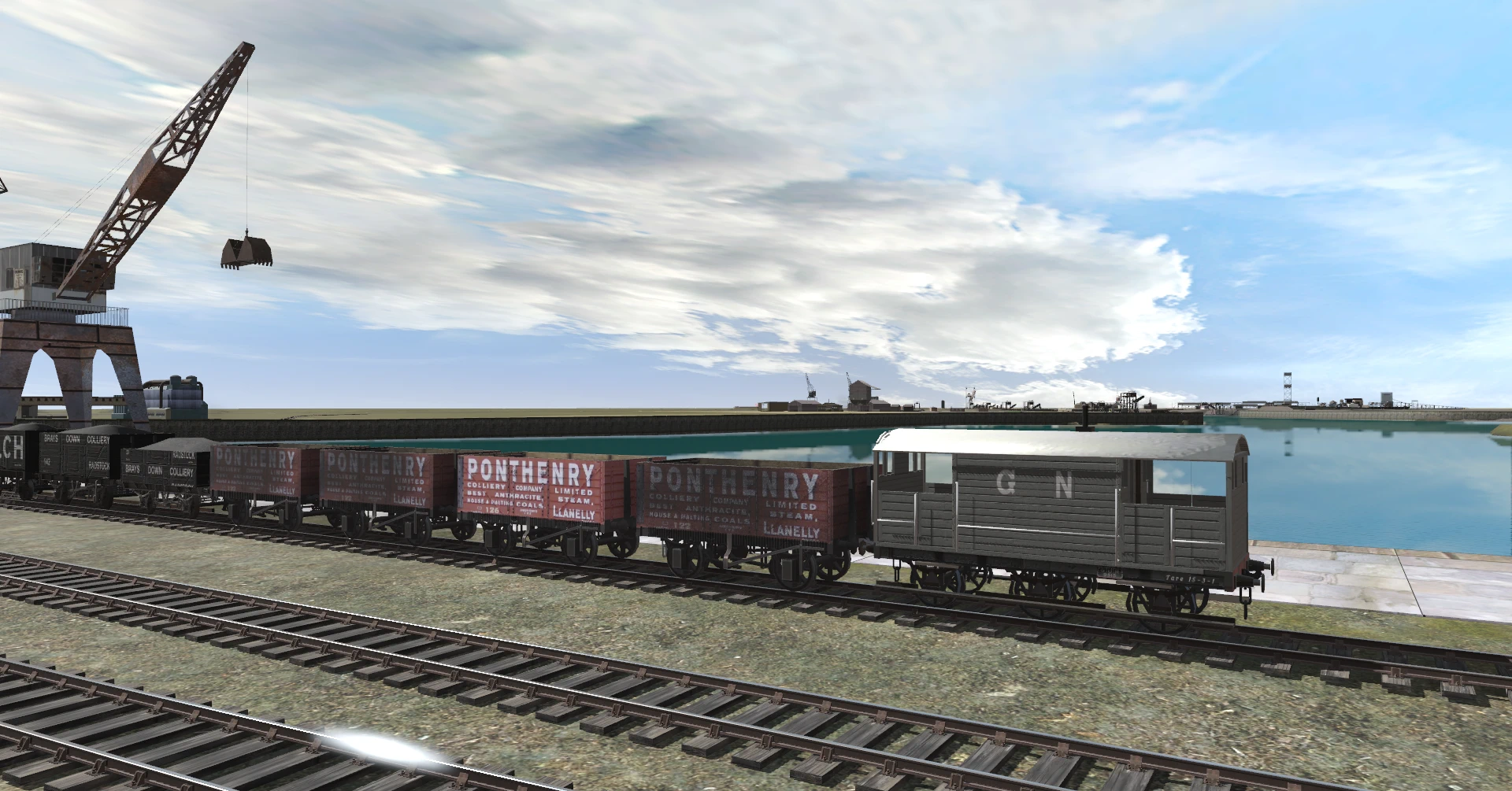
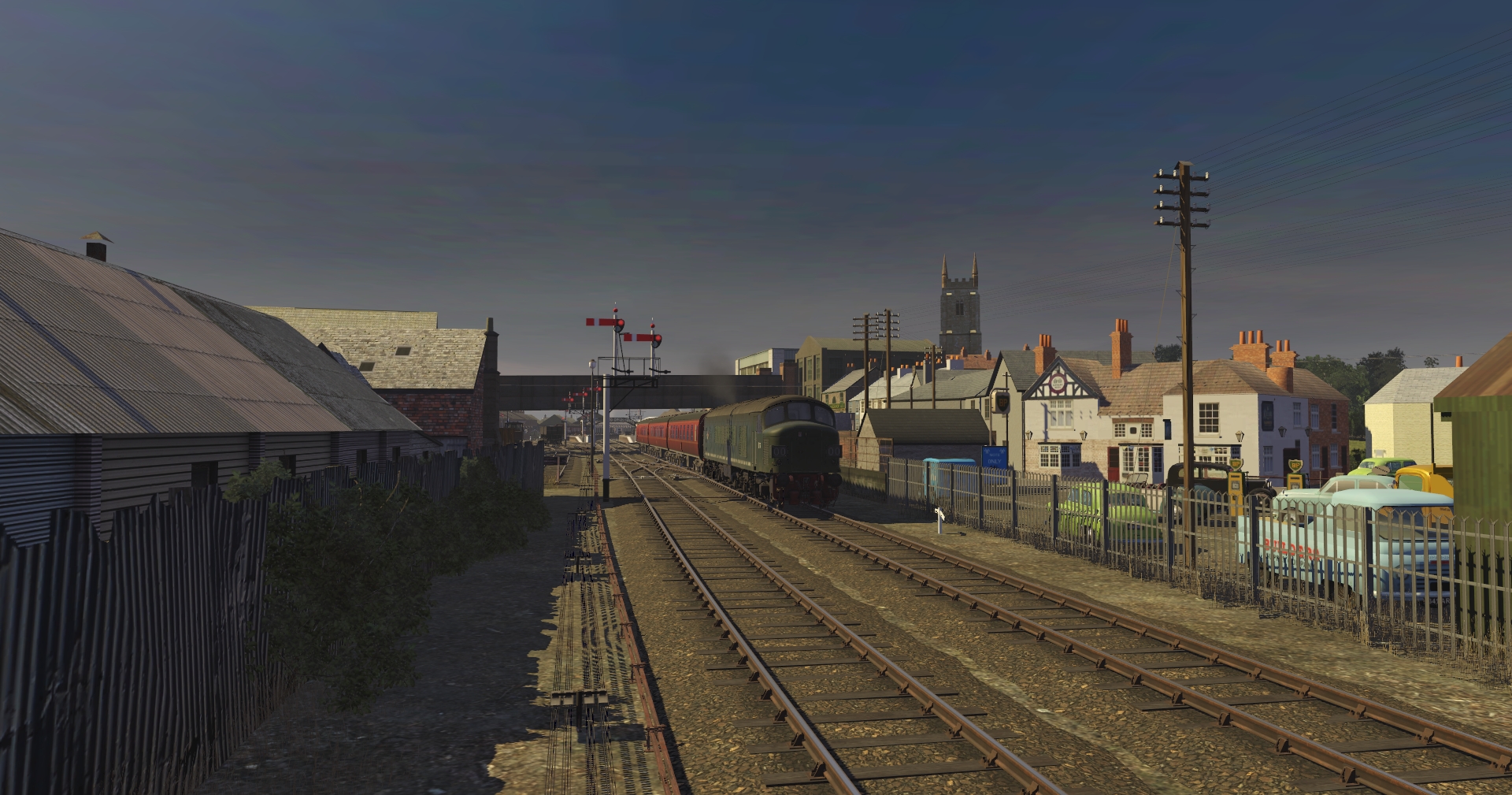
Cattle train on the Windweather Tramway in my little imaginary patch of Norfolk.


Windweather-Cattle-Train-02.jpg


Windweather-Cattle-Train-03.jpg


Windweather-Cattle-Train-04.jpg
 
Last edited:
According to "The Great Central From the Footplate" (1987) by Robert Robotham & Frank Stratford the express passenger trains could expect the change to be done in four minutes. Frank Stratford, a driver on the former GCR London extension who came up from cleaner at Leicester shed had a snippet to share. When the BR MR took over the shed they discovered that under-18s at Leicester shed were working nightshifts, which was illegal. There had been a waiver granted during WWII but when hostilities ceased and the waiver lapsed the LNER shed at Leicester just ignored it!

This sounds like something railroads in the US would do.😅 My grandad worked for Erie Railroad during WW2 and I can say that he's told me of similar situations during wartime.
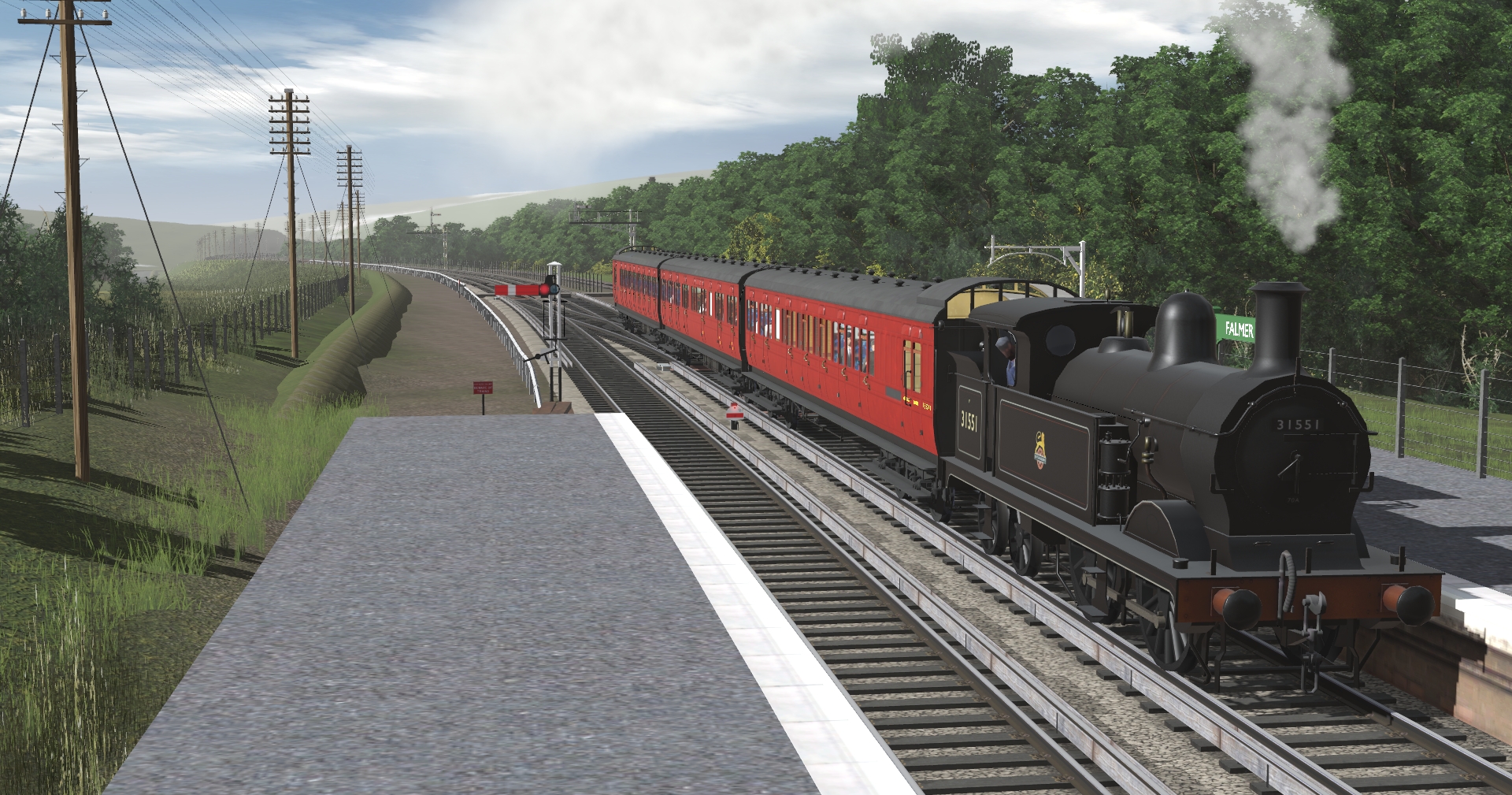
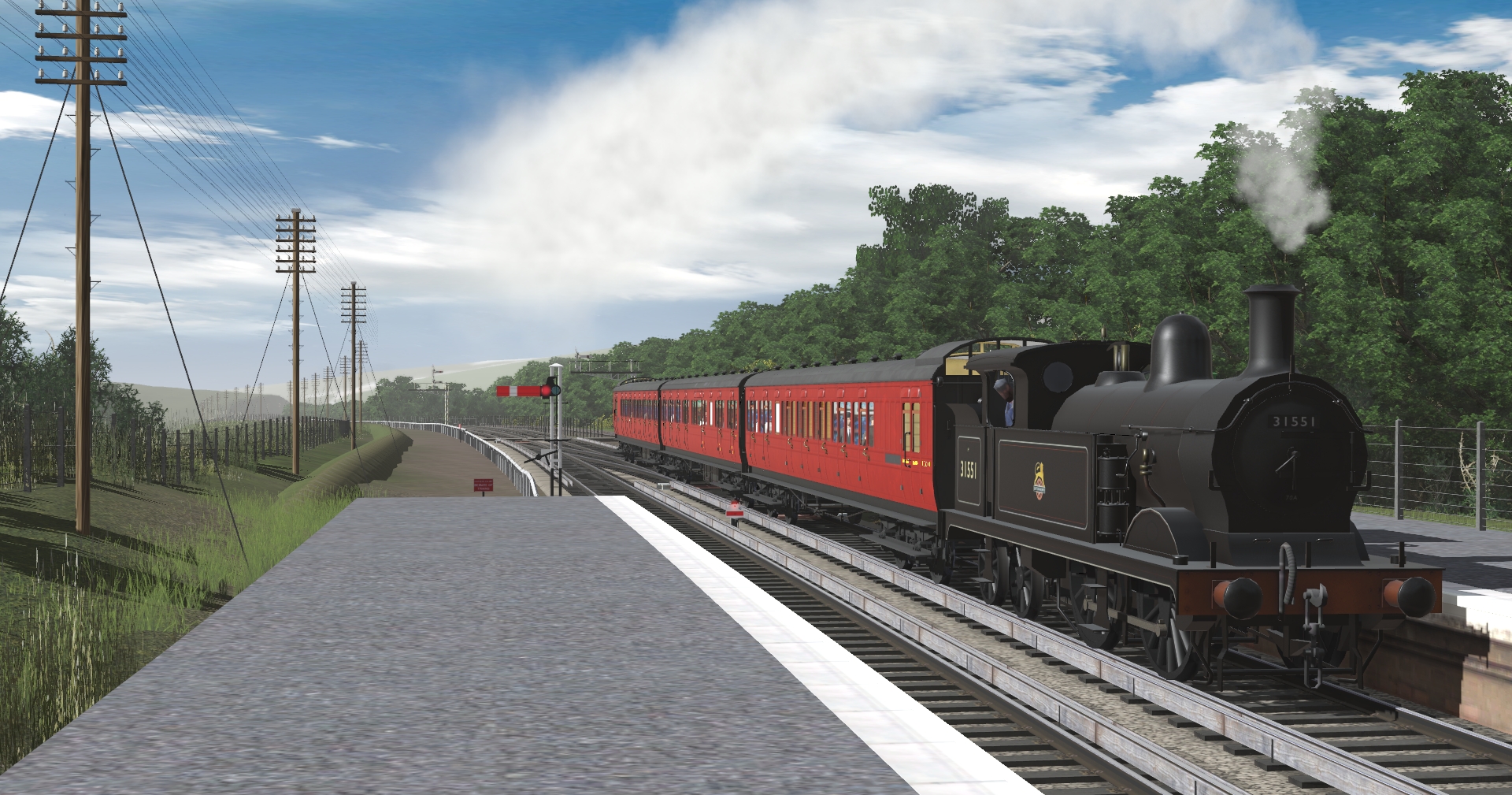
SR Project once more - Ex-SECR H Class running through Falmer with a Brighton to Turnbridge Wells West Train:

qv2YvOg.jpg

qv2YUzJ.jpg
 
North East England during the steam era.
Just prior to WWI there is an issue to the north of Pontop Crossing on the Pontop and South Shields branch.
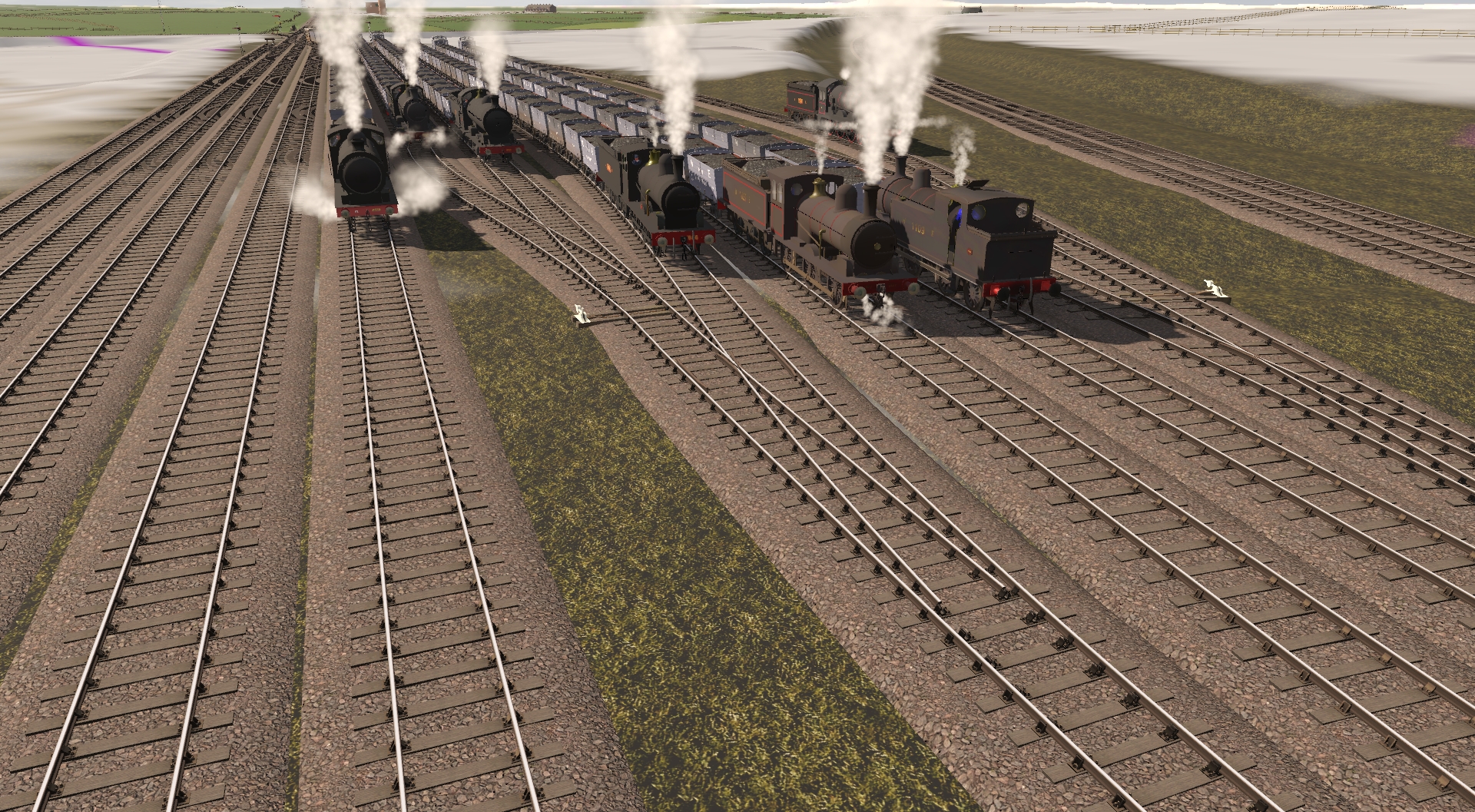
Congestion and delays at the staithes in Tyne Dock, two miles away has coal trains being directed to loop lines to await being called forward.
A P3 0-6-0, the largest six-coupled tender loco the NER built, takes a place in the no.2 Down loop, joining a T Class 0-8-0, T2 Class 0-8-0, a P1 Class 0-6-0, P Class 0-6-0 and a U Class 0-6-2T already waiting.


The delay could be a problem with the lock gates, a collier late to arrive or late to depart, the latter possibly due to a dispute over the bill of lading or concerns about the test results from samples taken in the hold.
Coal can be tricky stuff to ship, with ventilation required to prevent a fire breaking out.
It also needs to be properly laid in the hold to avoid the risk of the load shifting at sea, affecting the ship;s stability.
In any event it is bad news for the loco crews, who the NER paid by the amount of work they did.
This could be good news for the footplate crews when there was a heavy demand for coal but any delays meant less coin in the pocket come payday.

Tonnage shipped grew relentlessly up to 1913, but the outbreak of war in August 1914 would change the landscape of shipping coal out of Tyne Dock and it would never reach the heights of 1913.
Some markets never returned post-WWI, with the 1920s marked by industrial unrest, while the 1930s would see the great depression following the 1929 Wall Street Crash.

Fifty years after this screenshot Tyne Dock's days of shipping out coal would be almost done, with most of the Durham Collieries which used it closed and derelict.

The line curving away to the right side remains today, though singled, though everything else in this shot has been gone for over forty years now. However, there is now a new chord from Tyne Dock to the Up Sunderland line, formerly the Leeds Northern Branch, which came up the Durham coast via Stockton, Billingham, West Hartlepool, Seaham and Sunderland. This means that traffic from Tyne Dock can head down the Durham coast, something only possible at the time of the screenshot by a reversal near Boldon Colliery to take the chord via East Boldon, or to reverse at Washington and take the branch along the north bank of the River Wear via Monkwearmouth.

For a short time during the 1840s, the Pontop and South Shields branch, originally the Stanhope & Tyne built in the 1830s, formed part of Hudson's old East Coast Main Line, with a South to West chord from Boldon Colliery to Brockley Whins in order to join the Brandling Junction Railway for access to Gateshead,
 
Last edited:
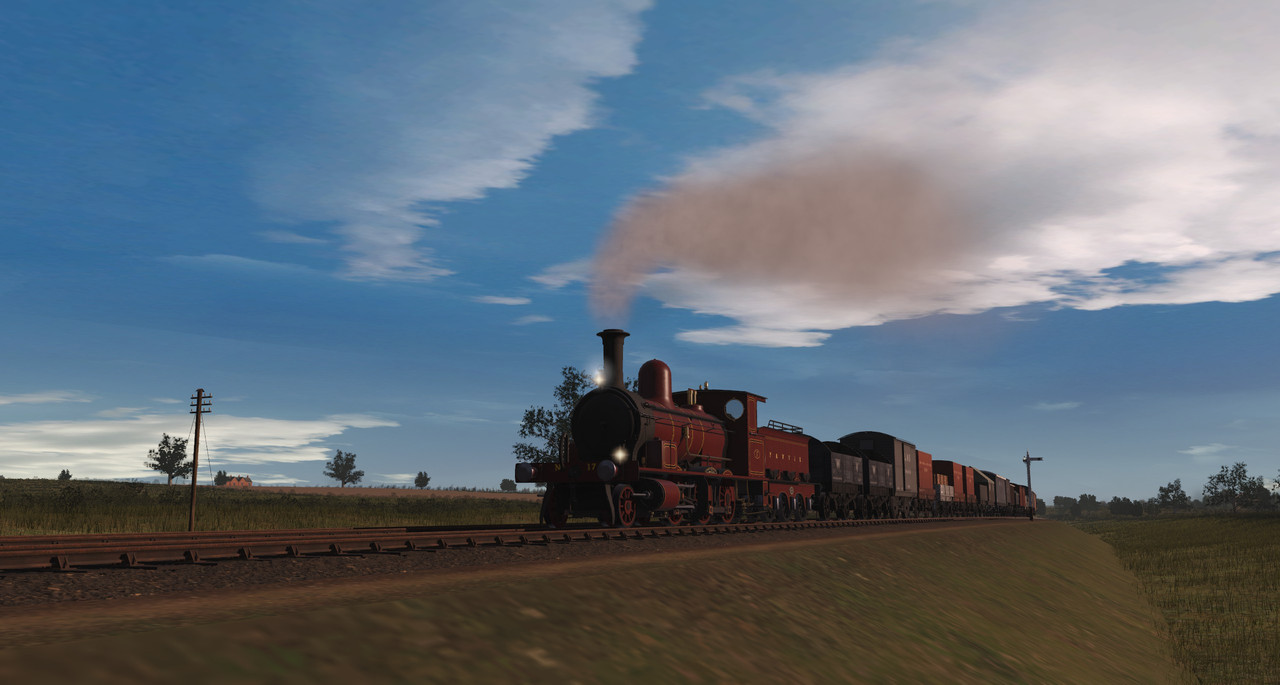
Scenes from the early grouping era of the Flockton Westbridge Valley Railway c1925 around Ellesville Junction, with never before seen... Numberplates on the G class?
Ed kindly provided me some minor modifications to Galloping Alice so we can finally distinguish the engines from each other.

Here we see Number 17 approaching Ellesville Junction on a down goods from Westbridge Court.
20260413220002-1.jpg


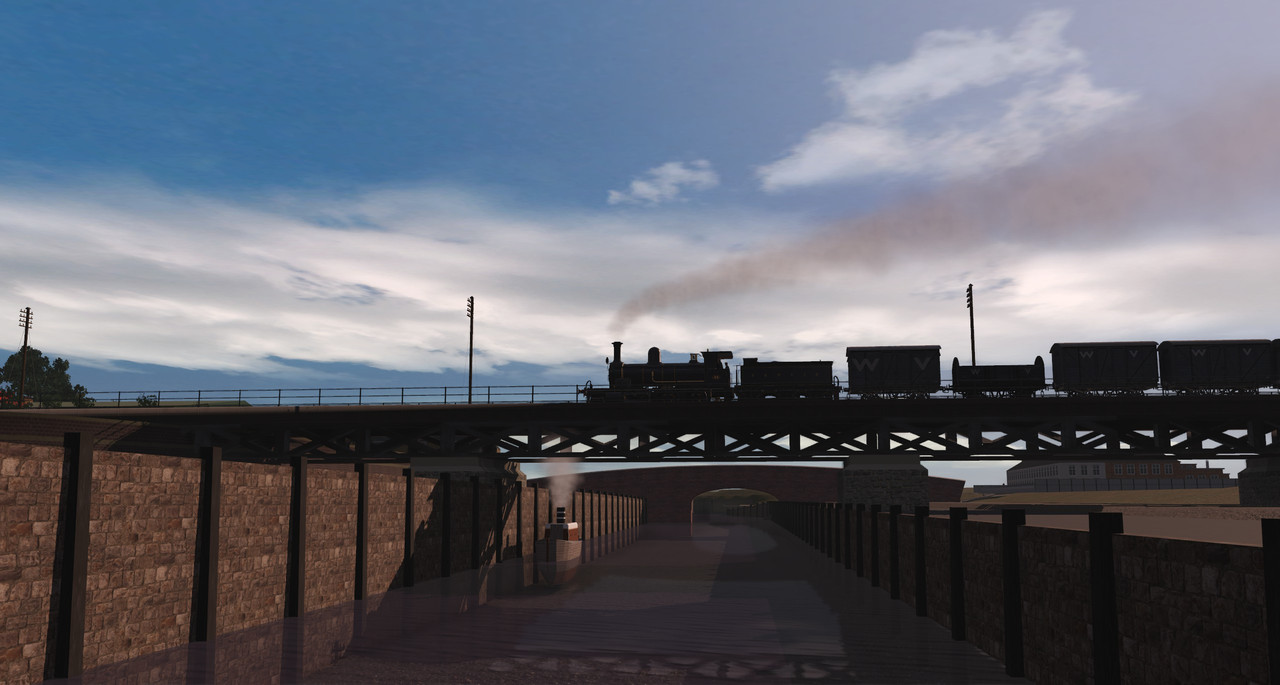
On the Up line from St.Ives G number 44 passes N class number 622 with an express goods crossing the Ellesville Canal on the bridge

20260413220325-1.jpg
20260413220346-1.jpg


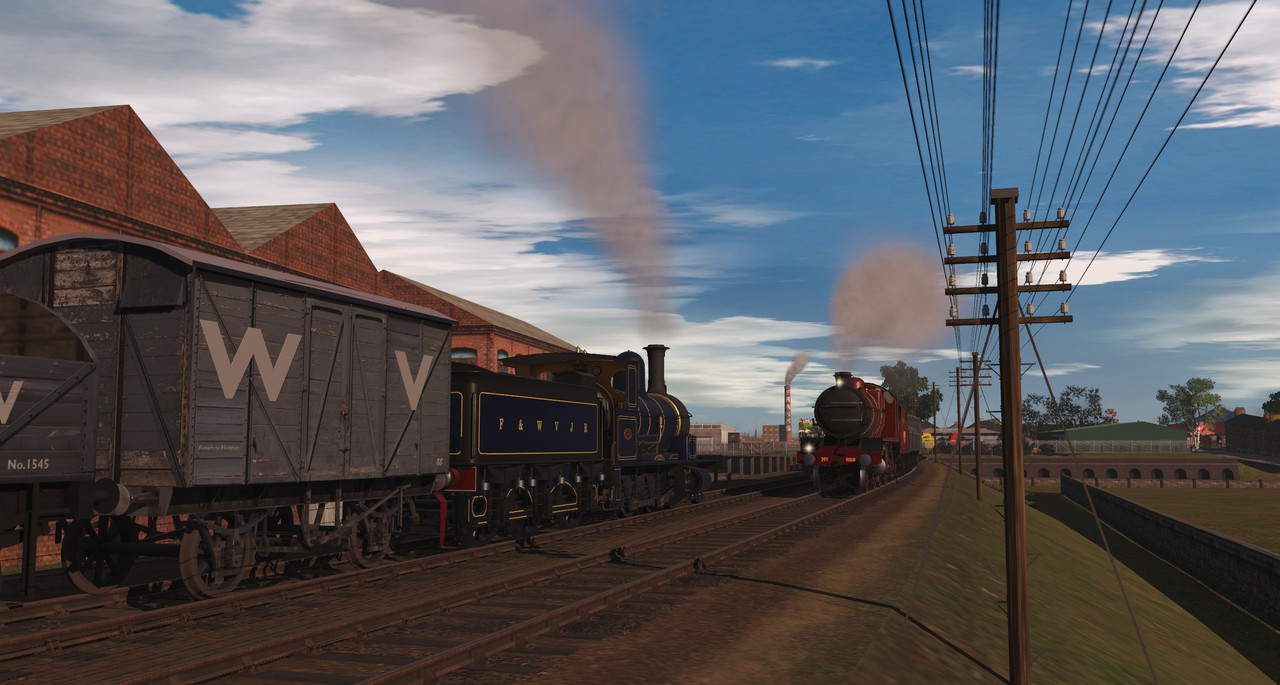
Waiting on the banker, Number 44 pauses in the loop taking on water as a H class arrives with a peak-hour express and 2-4-2 tank 1073 shunts the yards.

20260413220846-1.jpg


Kind Regards,
Noah
 
Back
Top