Valley Heights to Katoomba route for Valley Heights museum’s 4601 driver simulator

ElStoko

Well-known member
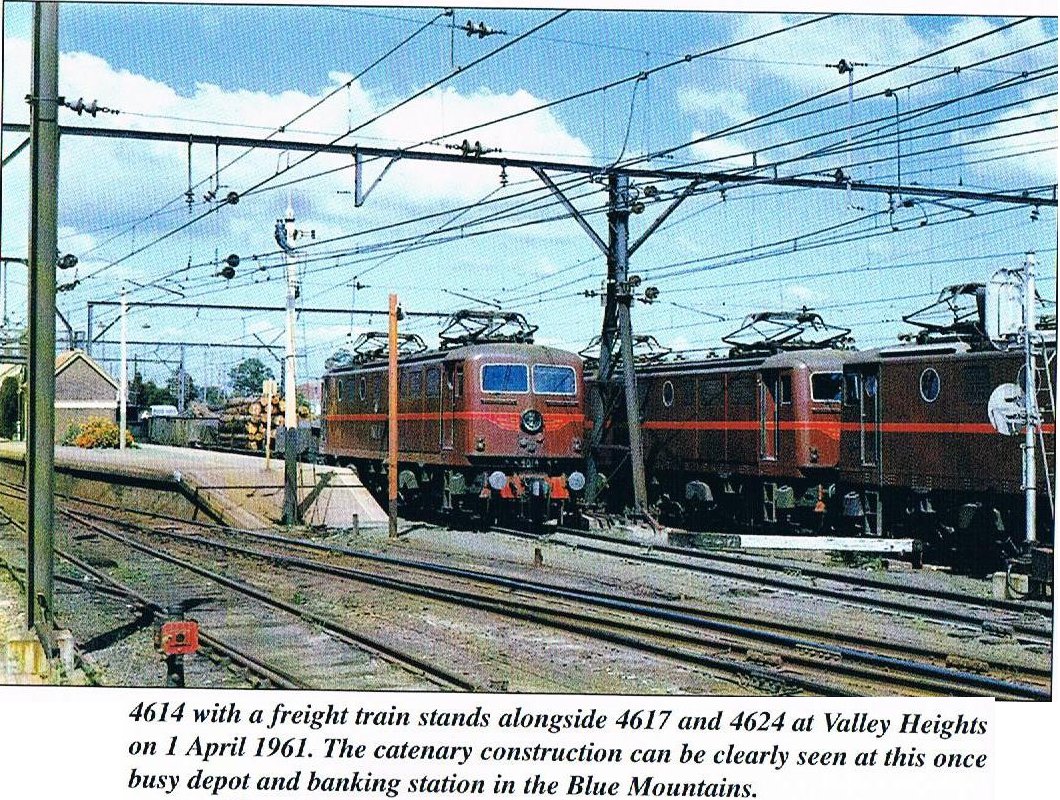
Valley-Heights-view-of-yard-from-Down-end-1961.jpg


I’m attempting to form a group of volunteer route builders and asset creators for a project to build a Trainz route to represent the railway between Valley Heights and Katoomba as it was in 1960, 3 years after electrification of the Blue Mountains line in NSW, Australia.
The main purpose of the route is to provide sessions that will run on the 4601 Driver Simulator of the Valley Heights Locomotive Depot Heritage Museum.
If you would like to know more, please download and read the WORD document “VALLEY HEIGHTS TRAINZ SIMULATOR GROUP.docx” available from
here or send a Direct Message to ElStoko.
 
Last edited:
Hotbox Content have created a bare route plus mainline track using DEM data that covers Glenbrook to Blackheath. I am working on grading the mainline track according to historical Curve and Gradient diagrams, and adding the 1960 station-yard tracks.
The project still lacks content creators other than myself, so I am still keen to hear from content creators who may be interested in contributing to this project.
 
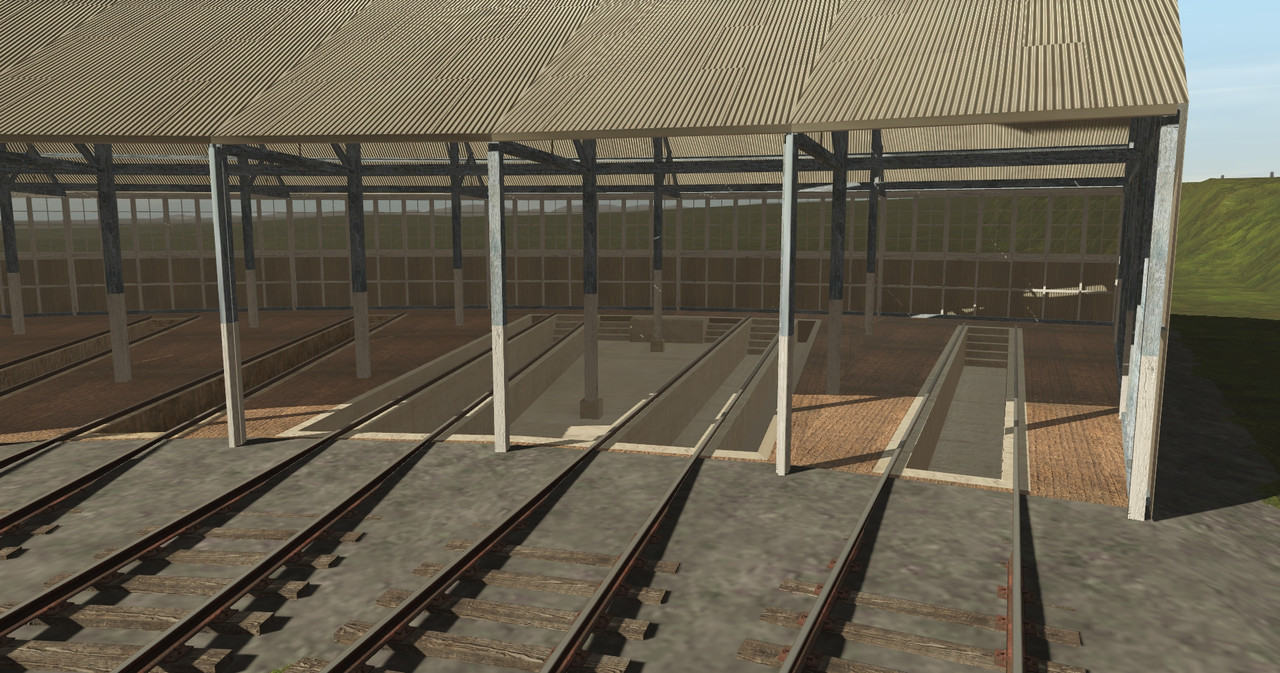
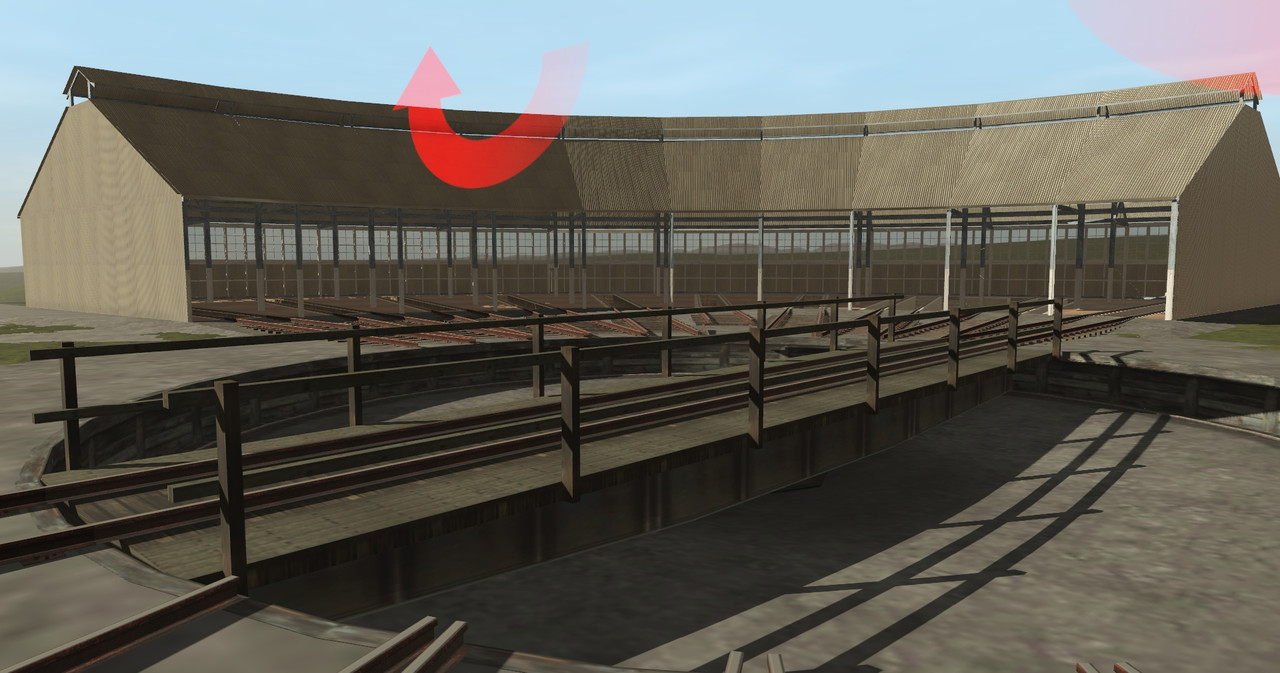
Valley Heights loco depot turntable and roundhouse, 1960. Catenary above turntable spinner in shown position yet to be fitted.
Roundhouse-1.jpg


Recently-completed modification to pits of Roads 1 - 3 to facilitate servicing of 46-class electric locos.
Roundhouse-2.jpg
 
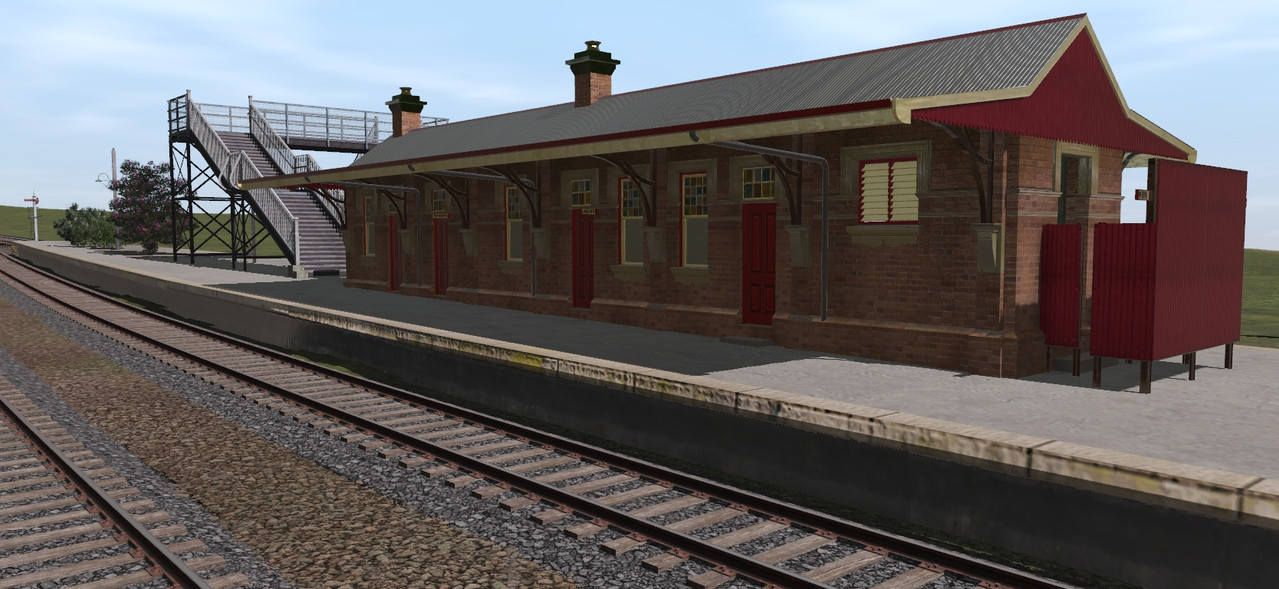
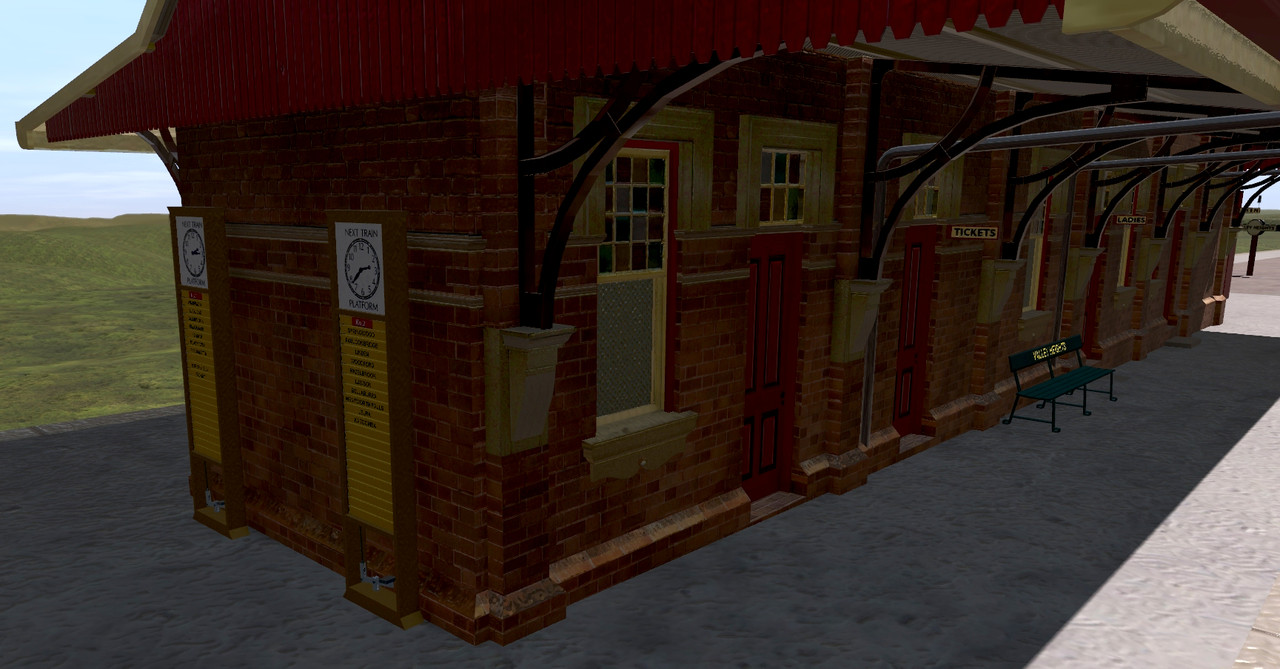
The station building at Valley Heights as it was in 1960. The grade through the yard is 1 in 55 heading West, therefore, to maintain a level interior floor, the building appears to rise higher from the platform at the near (East) end.

station-building-4.jpg
The similarities to Raglan station are uncanny.
I've been old of a rumour that the island platform at the present (rebuilt) Raglan location was as a test for this design and island platform arrangement before being introduced on the Blue Mountains duplication. The engineers weren't sure trains passing either side of a building wouldn't topple it! (all without evidence or other substantiating material, of course!)
 
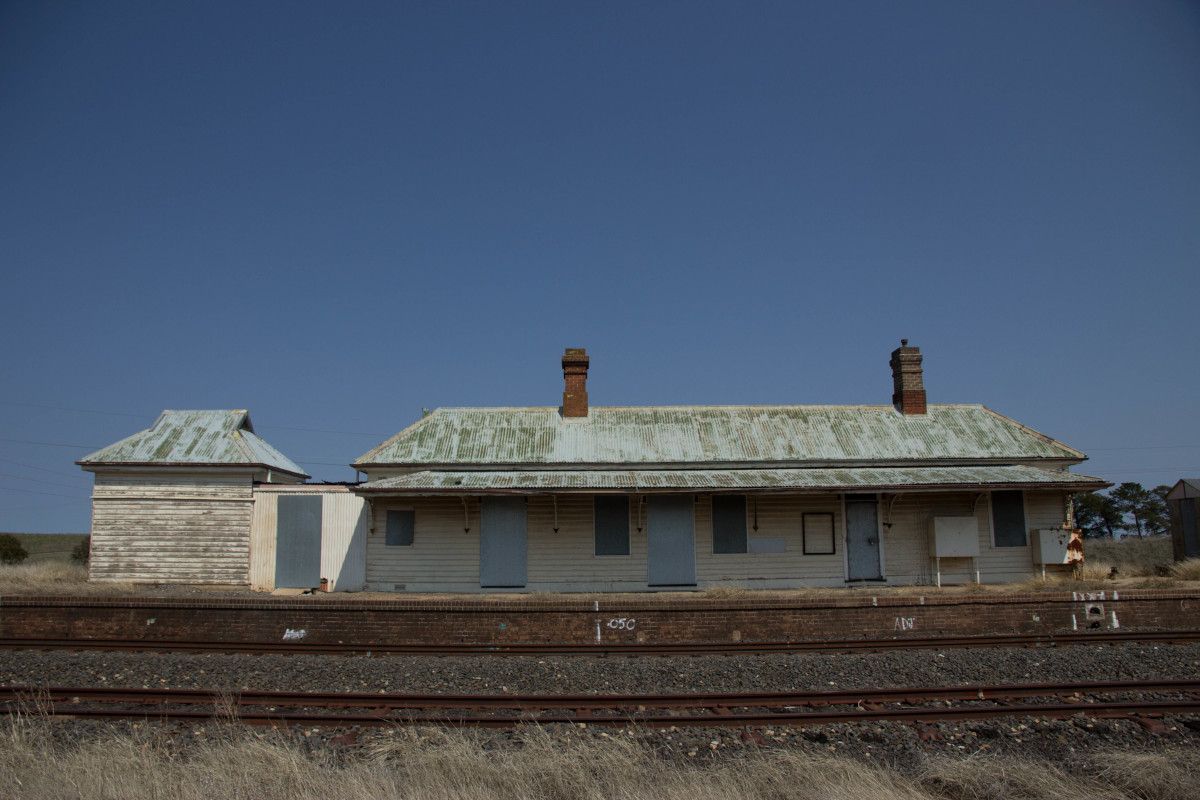
Benno, I had a look at the Wikipedia entry for Raglan station (https://en.wikipedia.org/wiki/Raglan_railway_station,_New_South_Wales ). This states that Raglan station was rebuilt in 1890, before the 1902 Blue Mountains line duplication, and therefore could have served as a model for the Blue Mountains station buildings. The image below of Raglan station is included in the Wiki entry:

Raglan-railway-station-New-South-Wales-1.jpg


The image shows, to my mind at least, not much similarity with the design used for the 1902 Blue Mountains stations. Obvious differences are:
  • weatherboard walls versus brick walls
  • no leadlighting versus leadlighted upper window panels and door skylights
  • no decorative moulidings on walls versus elaborate moulded decoration above windows and doors and trim mouldings along walls between windows and doors
  • double door room entry versus single door room entry
  • hipped roof versus gable roof
 
Last edited:
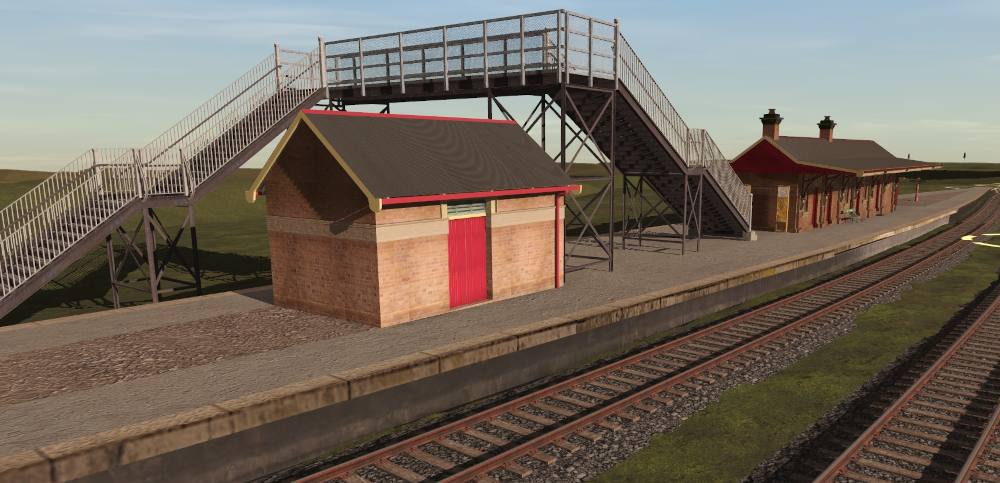
The 'lamp room' at Valley Heights. While it's not a room in a larger building but a free-standing shed, this term was applied by NSWR to describe a storage space for flammable liquids (kerosene) used mainly for lighting semaphore signals and handheld lamps prior to electrification. Spare signal and handheld lamps were also stored here. Because of the fire hazard, lamp rooms were normally set apart from the main station building.

2026-05-01-092810.jpg


At Valley Heights manually-updated indicators of train departures were still in use in 1960:

2026-05-02-185413.jpg
 
Last edited:
Back
Top