borderreiver
Well-known member
N.E.R. Programme of Special Trains Saturday March 19th to Friday March 25th 1910
The NERA digital archive has multiple Programme of Special Trains booklets. One of them is for the week preceding Easter, which fell on Sunday March 27th in 1910.
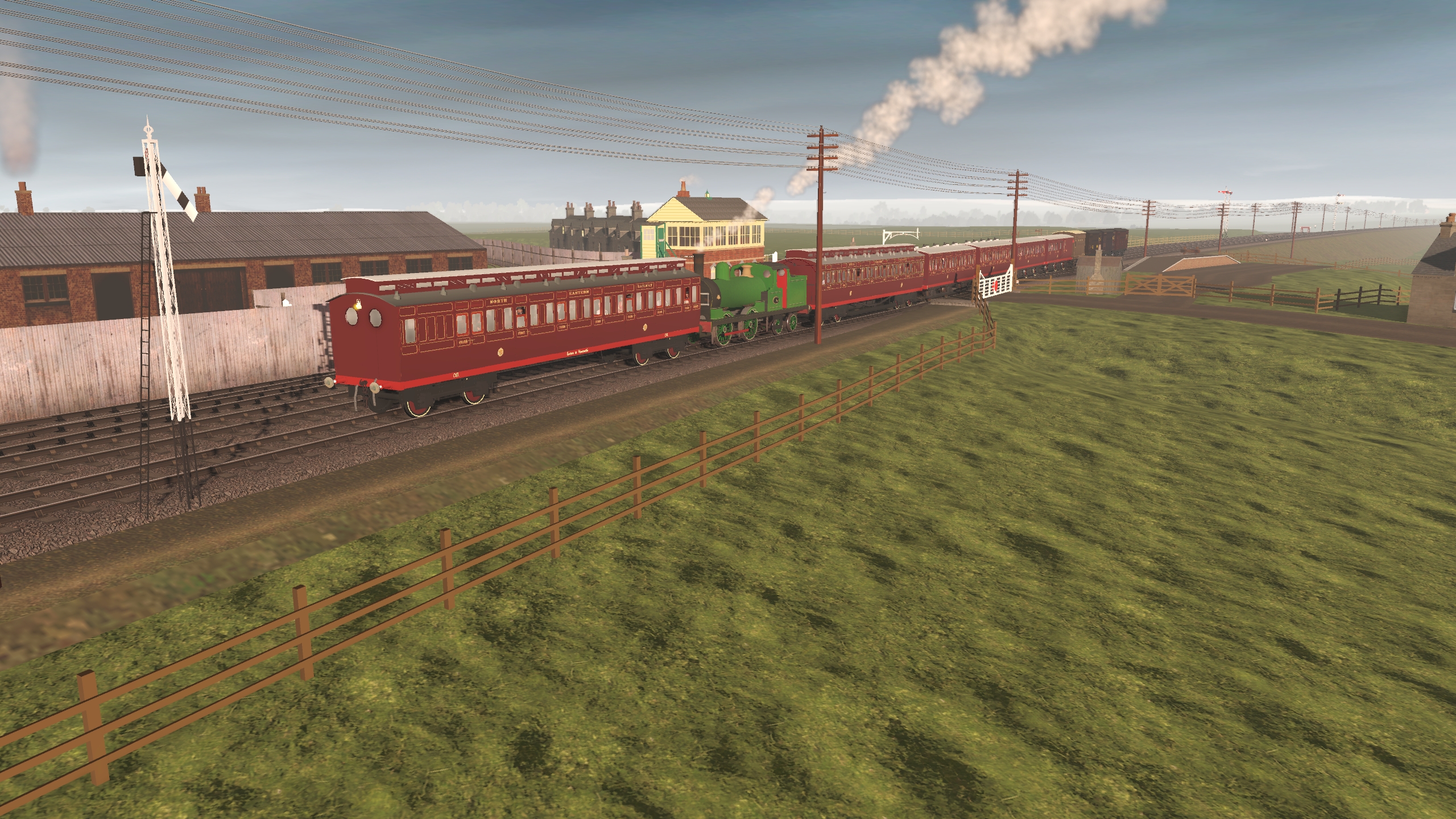
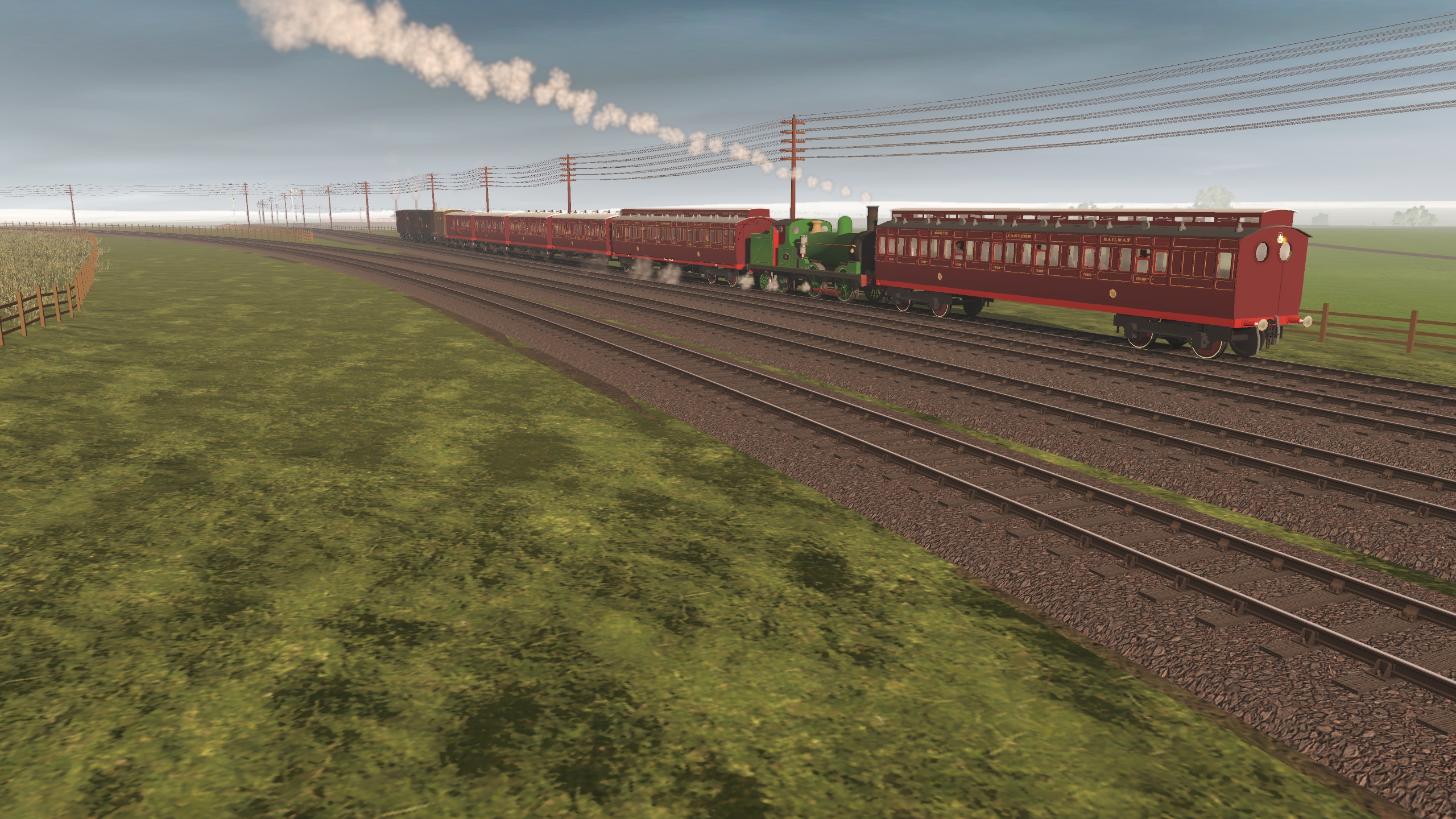
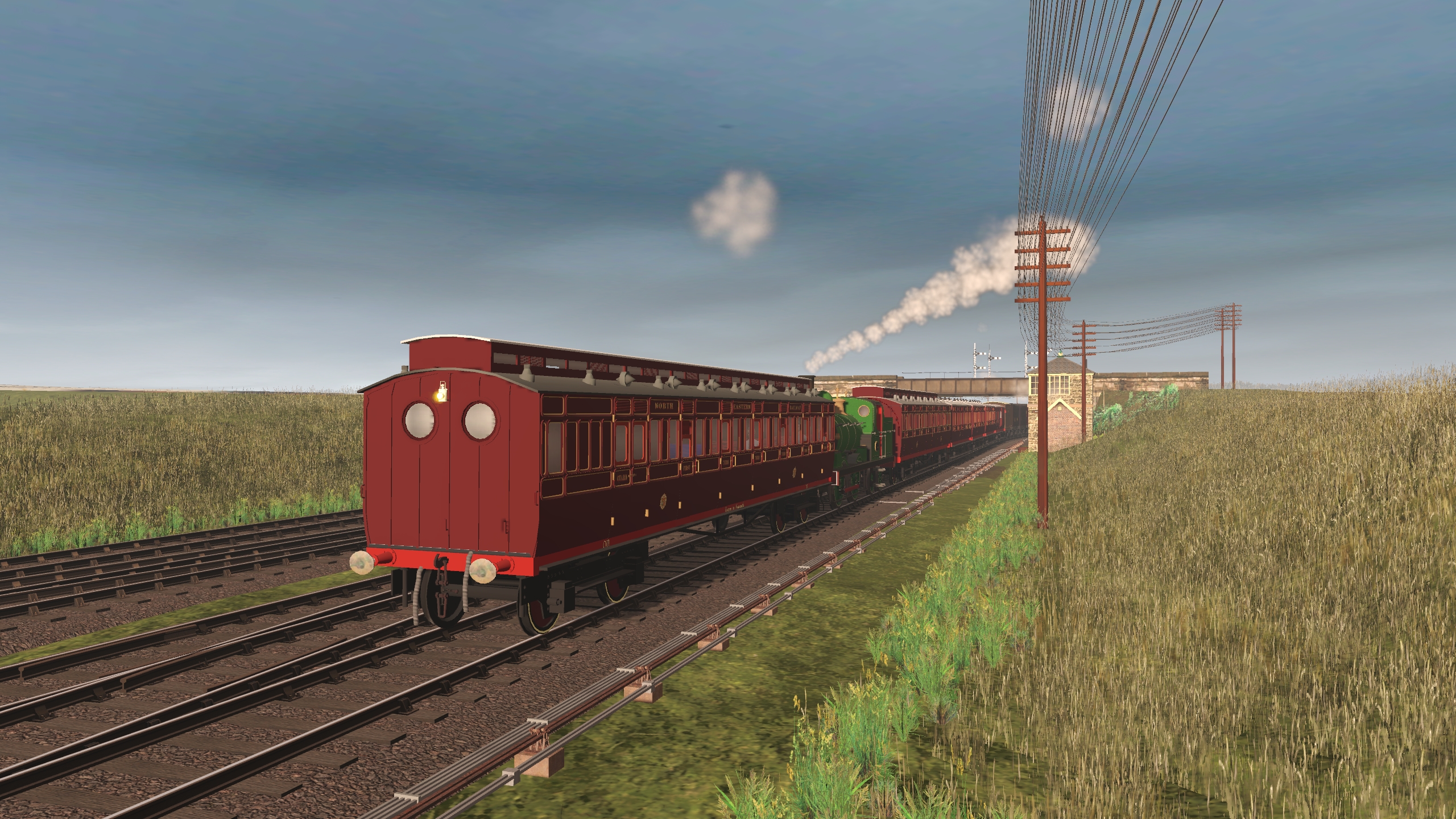
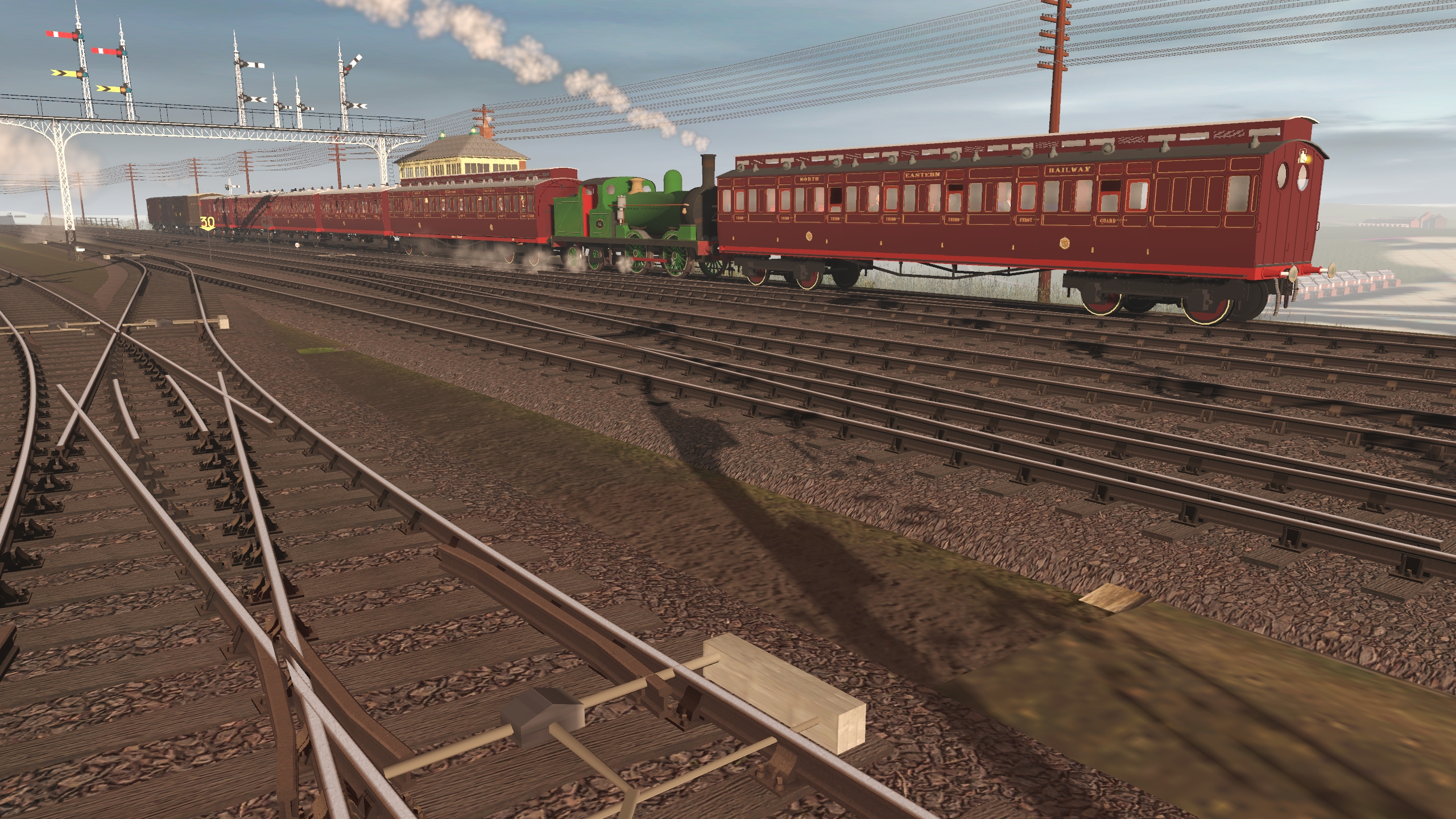
One insight was which train services were run by Steam Autocar in that year and how they were strengthened for Thursday March 24th.
Durham held a Horse fair on March 24th and the programme required that all spare horseboxes in the district be sent to newcastle in order to react to demands from Durham on the Thursday.
Stationmasters were put on notice that only four horseboxes could be added to passenger trains to and from Durham and that if any more were required then a special must be run.
It is not clear whether this applied to the Steam Autocar services!
Berwick to Alnmouth steam autocars (note the plural) were strengthened by 1 Third (probably six-wheeler).
Durham to Waterhouses steam autocar at 3.15 pm (and 3.40 pm return) "See set No. 51" (probably the active carriage roster).
Sunderland to Haswell steam autocar at 1.45 pm (and 2.30 pm return) "See set 53".
Sunderland to Durham steam autocar at 4.25pm Strengthened by 1 Compo, 2 Thirds, 1 Brake Third (since bogie is not mentioned I assume that they are six-wheelers).
This set will then go on to work:
Durham to Barnard Castle steam autocar at 4.58 pm. Departs Bishop Auckland 5.20 pm.
Durham to Darlington steam autocar at 4.58 pm to be worked by the steam autocar which worked the ordinary 2.12 pm Sunderland to Durham. No strengthening mentioned.
Barnard Castle to Darlington steam autocar with empty stock at 6.20 pm. Arrived Darlington 6.55 pm
Newcastle to Blackhill steam autocar at 6.47 pm (and 7.50 pm return). "See set 46".
The closest N.E.R. Timetable I have for this is the winter 1912 one (Oct 1912-March 1913), but I also have Bradshaw's for 1910.
in the N.E.R. Timetable Y indicates a steam autocar service.
Berwick and Alnmouth - Steam Autocars on Saturdays only, 10.53 am (with 10 minute later arrival at Alnmouth before October 25th) and 1.18 pm return, 3.22 pm ex-Berwick and 5.00 pm return ex-Alnmouth. Nine timetabled ordinary stopping passenger trains daily.
Durham and Waterhouses - Two returns daily (out of nine timetabled trains (ten on Wednesdays and Saturdays with eleven on alternate Saturdays starting October 12)). 12.29 pm and 3.15 pm ex-Durham. 1.0 pm and 3.40 pm ex-Waterhouses.
Sunderland and Durham - Four services from Sunderland daily (out of eighteen timetabled trains, plus four Leamside and Durham shorts, one of which was a steam autocar (8.37am ex-Leamside)) 7.45 am, 2.07 pm, 4.22 pm and 8.05 pm ex-Sunderland, only two return, 9.15 am and 1.08 pm ex-Durham.
Durham and Bishop Auckland - One daily, out of eleven timetabled trains, 4.52 pm ex-Durham with no timetabled return
Bishop Auckland and Barnard Castle - One daily out of seven timetabled trains, 5.20 pm ex-bishop Auckland. no return working as it went on from Barnard Castle to Darlington at 5.57 pm ex-BC, arrived Darlington 6.50 pm.
Newcastle and Blackhill (Derwent valley) - two services from Newcastle daily, out of fifteen timetabled trains, plus one autocar short from Newcastle to Rowlands Gill and return (1.30 pm ex-Newcastle, 2.05 pm return ex-Rowlands Gill SX) 10 am & 6.45 pm ex-Newcastle, 12.05 pm ex-Blackhill. The 7.35 pm arrival at Blackhill departed for Newcastle at 7.50 pm, but its route was via Consett and Birtley.
Newcastle and Annfield Plain - One daily return out of eleven to thirteen timetabled, 5.25 pm ex-Newcastle, 6.34 pm ex-Annfield, plus the 7.50 pm ex-Blackhill running via Annfield, which departed Annfield at 8.12 pm.
In the 1926 Carriage Roster, the oldest one to survive, sets 45 to 50 are Newcastle Link C sets, set 51is Newcastle and Stranraer, while set 53 is a made up set for the Newcastle to Carlisle line. It is safe to assume that things had changed, possibly during WWI with the economies imposed on train services. Just what sets 46, 51 and 53 were in 1910 will remain unknown for now.
I must look in to where the Berwick to Alnmouth autocars were normally assigned, since it appears inefficient to keep two autofitted BTP 0-4-4Ts and two, three or four 52ft Driving Composites siting idle for six days of the week at Tweedmouth. I do not know whether these autocars were single carriage, two carriage or a mix, since I have no carriage roster for 1910 or 1912. By the 1926 roster there is no sign of steam autocars at either berwick or Alnmouth. I wonder why they were never tried on the Amble branch? I also wonder why the Amble branch never got the chance to try a Clayton or Sentinel service before closure. Perhaps the traffic loss in the 1920s was so serious it was considered hopeless.
The NERA digital archive has multiple Programme of Special Trains booklets. One of them is for the week preceding Easter, which fell on Sunday March 27th in 1910.
One insight was which train services were run by Steam Autocar in that year and how they were strengthened for Thursday March 24th.
Durham held a Horse fair on March 24th and the programme required that all spare horseboxes in the district be sent to newcastle in order to react to demands from Durham on the Thursday.
Stationmasters were put on notice that only four horseboxes could be added to passenger trains to and from Durham and that if any more were required then a special must be run.
It is not clear whether this applied to the Steam Autocar services!
Berwick to Alnmouth steam autocars (note the plural) were strengthened by 1 Third (probably six-wheeler).
Durham to Waterhouses steam autocar at 3.15 pm (and 3.40 pm return) "See set No. 51" (probably the active carriage roster).
Sunderland to Haswell steam autocar at 1.45 pm (and 2.30 pm return) "See set 53".
Sunderland to Durham steam autocar at 4.25pm Strengthened by 1 Compo, 2 Thirds, 1 Brake Third (since bogie is not mentioned I assume that they are six-wheelers).
This set will then go on to work:
Durham to Barnard Castle steam autocar at 4.58 pm. Departs Bishop Auckland 5.20 pm.
Durham to Darlington steam autocar at 4.58 pm to be worked by the steam autocar which worked the ordinary 2.12 pm Sunderland to Durham. No strengthening mentioned.
Barnard Castle to Darlington steam autocar with empty stock at 6.20 pm. Arrived Darlington 6.55 pm
Newcastle to Blackhill steam autocar at 6.47 pm (and 7.50 pm return). "See set 46".
The closest N.E.R. Timetable I have for this is the winter 1912 one (Oct 1912-March 1913), but I also have Bradshaw's for 1910.
in the N.E.R. Timetable Y indicates a steam autocar service.
Berwick and Alnmouth - Steam Autocars on Saturdays only, 10.53 am (with 10 minute later arrival at Alnmouth before October 25th) and 1.18 pm return, 3.22 pm ex-Berwick and 5.00 pm return ex-Alnmouth. Nine timetabled ordinary stopping passenger trains daily.
Durham and Waterhouses - Two returns daily (out of nine timetabled trains (ten on Wednesdays and Saturdays with eleven on alternate Saturdays starting October 12)). 12.29 pm and 3.15 pm ex-Durham. 1.0 pm and 3.40 pm ex-Waterhouses.
Sunderland and Durham - Four services from Sunderland daily (out of eighteen timetabled trains, plus four Leamside and Durham shorts, one of which was a steam autocar (8.37am ex-Leamside)) 7.45 am, 2.07 pm, 4.22 pm and 8.05 pm ex-Sunderland, only two return, 9.15 am and 1.08 pm ex-Durham.
Durham and Bishop Auckland - One daily, out of eleven timetabled trains, 4.52 pm ex-Durham with no timetabled return
Bishop Auckland and Barnard Castle - One daily out of seven timetabled trains, 5.20 pm ex-bishop Auckland. no return working as it went on from Barnard Castle to Darlington at 5.57 pm ex-BC, arrived Darlington 6.50 pm.
Newcastle and Blackhill (Derwent valley) - two services from Newcastle daily, out of fifteen timetabled trains, plus one autocar short from Newcastle to Rowlands Gill and return (1.30 pm ex-Newcastle, 2.05 pm return ex-Rowlands Gill SX) 10 am & 6.45 pm ex-Newcastle, 12.05 pm ex-Blackhill. The 7.35 pm arrival at Blackhill departed for Newcastle at 7.50 pm, but its route was via Consett and Birtley.
Newcastle and Annfield Plain - One daily return out of eleven to thirteen timetabled, 5.25 pm ex-Newcastle, 6.34 pm ex-Annfield, plus the 7.50 pm ex-Blackhill running via Annfield, which departed Annfield at 8.12 pm.
In the 1926 Carriage Roster, the oldest one to survive, sets 45 to 50 are Newcastle Link C sets, set 51is Newcastle and Stranraer, while set 53 is a made up set for the Newcastle to Carlisle line. It is safe to assume that things had changed, possibly during WWI with the economies imposed on train services. Just what sets 46, 51 and 53 were in 1910 will remain unknown for now.
I must look in to where the Berwick to Alnmouth autocars were normally assigned, since it appears inefficient to keep two autofitted BTP 0-4-4Ts and two, three or four 52ft Driving Composites siting idle for six days of the week at Tweedmouth. I do not know whether these autocars were single carriage, two carriage or a mix, since I have no carriage roster for 1910 or 1912. By the 1926 roster there is no sign of steam autocars at either berwick or Alnmouth. I wonder why they were never tried on the Amble branch? I also wonder why the Amble branch never got the chance to try a Clayton or Sentinel service before closure. Perhaps the traffic loss in the 1920s was so serious it was considered hopeless.
Last edited: